Food stories

Is MSG Really Bad for You?
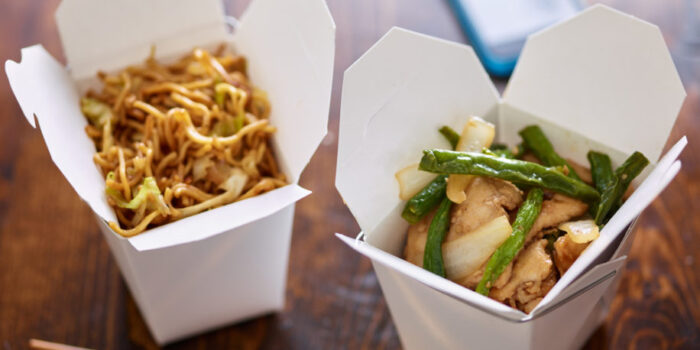
Chinees eten heeft bij veel mensen een slechte reputatie omdat het vol met ve-tsin, ook wel MSG, zou zitten. Daar zou je hoofdpijn van krijgen, een opgeblazen gevoel en nog veel meer verschrikkelijke bijwerkingen. Ten minste, dat werd altijd heel hard geroepen. Maar veel chefs, waaronder een van onze grootste helden David Chang, zijn er fan van en gaan op de barricade. Want ve-tsin is zo slecht nog niet. Wat is het? Oké, wat is het überhaupt? Mononatriumglutamaat is een hele mond vol en wordt daarom afgekort tot MSG, ve-tsin of e-nummer 621. Het is een natuurlijk aminozuur dat veel voorkomt in Parmezaanse kaas, tomaten en dry aged rundvlees. Vandaar dat je die dingen allemaal zo lekker vindt. Die vijfde smaak umami wat volgens elk eetprogramma het hoogst haalbare is? Allemaal MSG. Je kunt het geconcentreerd in poedervorm kopen, en toevoegen aan gerechten voor een extra hartige smaak. Daarmee is het, naast zout, de ultieme smaakversterker. Waarom slecht? Ooit, in de jaren ’60, schreef dokter Ho Man Kwok een brief naar de New England Journal of Medicine waarin hij beschreef dat vrienden van hem soms klachten kregen, nadat ze een Chinees restaurant hadden bezocht. Hij gat MSG de schuld. Dat deze dokter geen enkele achtergrond in het onderwerp had of onderzoek had verricht, maakte weinig uit. Binnen no time stond de hele media vol met de boodschap dat MSG de duivel is en we het te allen tijden moeten mijden. Bye bye babi pangang. Toch niet slecht? De laatste jaren luidt er gelukkig een tegengeluid, want er is helemaal geen hard bewijs dat het witte poeder schadelijk zou zijn. Sommige mensen propageren zelfs het gebruik ervan, omdat je extra smaak aan je eten geeft en daardoor minder zout nodig hebt. Guillaume de Beer van restaurants Breda en Guts & Glory heeft zelf het E261 op z’n arm getatoeëerd. En als het goed genoeg is voor hem en Dave Chang, is het goed genoeg voor mij. Veel mensen zeggen nog steeds dat ze klachten krijgen na het eten van Chinees eten. Maar krijg je dat ook na het eten van Pringles, Doritos, popcorn of pasta met tomatensaus en een flinke berg parmezaan? Daar zit namelijk ook een hoge dosis umami en dus MSG in. Waarschijnlijk voelen al die mensen zich gewoon niet goed omdat je bij de Chinees standaard veel te veel eet. Gebruiken Bijna al het hartige eten, wordt extra lekker van een snuf MSG. Je haalt het overigens bij de toko. Aziatische gerechten zijn dan ook bij uitstek geschikt om het overheen te sprenkelen. Roer het door noedels, dumplingvulling, gebakken foe young hai of willekeurig wokgerecht. Een klein beetje is al genoeg. Nog niet overtuigd? Kijk dan even de aflevering fried rice van Ugly Delicious. Binge daar sowieso het hele seizoen van, is leuk. En eet er een grote kom gebakken rijst bij. Met MSG.

Chinese food has a bad reputation among many people because it is supposedly full of MSG, also known as monosodium glutamate. It is said to cause headaches, bloating and many more terrible side effects. At least, that’s what people used to shout from the rooftops. Yet many chefs, including our great hero David Chang, are fans and will go to the barricades for it. Because: MSG really isn’t that bad.

Foto van culinair journalist Emma de Thouars

What is MSG?

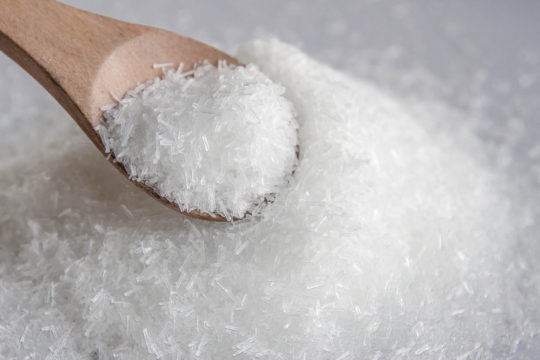
Okay, what is it exactly? Monosodium glutamate is quite a mouthful, which is why it is abbreviated to MSG, ve-tsin or E-number 621. It is an amino acid that occurs naturally in Parmesan cheese, tomatoes and dry aged beef. That’s why you like all those things so much. The fifth taste, umami, which according to every food show is the ultimate achievement? All MSG. You can buy it in concentrated powder form and add it to dishes for an extra savory flavor. Alongside salt, it is the ultimate flavor enhancer.

Why is it considered bad?

Once upon a time, way back in the 1960s, a certain Dr. Ho Man Kwok wrote a letter to the New England Journal of Medicine, in which he described how some of his friends sometimes experienced symptoms after visiting a Chinese restaurant. He blamed MSG. The fact that this doctor had no background in the subject and had conducted no research made little difference. Before long, the media were full of the message that MSG was the devil and that we should avoid it at all costs. Bye bye, babi pangang.
MSG

So it’s not bad after all?

Fortunately, the counterargument has grown increasingly louder in recent years, because there is absolutely no solid evidence that the white powder is harmful. Some people even advocate using it because it adds extra flavor to your food, meaning you need less salt. Guillaume de Beer of Paindemie and Bar Gui has E621 tattooed on his arm. If it’s good enough for him and for David Chang, it’s good enough for me.

Many people still say they experience symptoms after eating Chinese food. But do you also get them after eating Pringles, Doritos, popcorn or pasta with tomato sauce and a generous pile of Parmesan? Those foods also contain a high dose of umami, and therefore MSG. Those people probably just feel unwell because you typically eat far too much at Chinese restaurants.

Cooking

Almost any savory food becomes even tastier with a pinch of MSG. You can get it at the Asian grocery store. Asian dishes are therefore particularly well suited to having it sprinkled over them. Stir it into noodles, your dumpling filling, foo young hai or any stir-fry dish. A little is all you need.

Still not convinced?

Then watch the fried rice episode of Ugly Delicious. You might as well binge the entire season—it’s fun. And eat a big bowl of fried rice with it. With MSG.

Also read:

Geen foodnews Missen?