


This Is How You Stock Your Indonesian Pantry
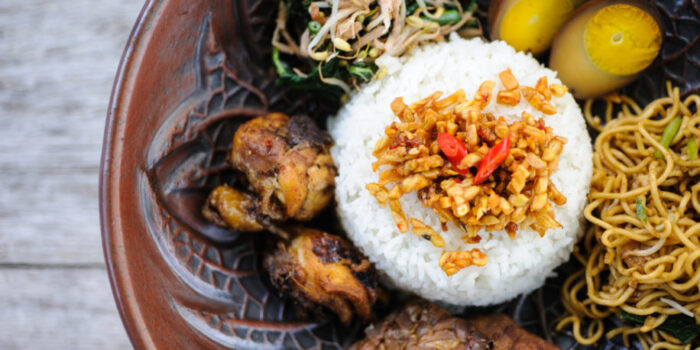
Diving into a new cuisine can be overwhelming. Recipes call for spices you don’t have at home, or combine them in a new way. Once you’ve got the perfect pantry in order, you’ll be whipping up those new recipes in no time. I’m happy to help you get started, this time with the basics of Indonesia.

It’s actually crazy that I haven’t written this article sooner. Maybe I’m biased because of my Indonesian roots, but I can’t get enough of rendang, sambal goreng tempeh, lemper and crispy corn fritters. To make all those dishes at home, you do need to stock up on a few things at your local toko. It’s quite a list, but everything keeps for ages, so once you have everything at home, you’ll be set for quite a while.
Trassi
A little trassi goes a long way. The fermented shrimp paste stinks to high heaven, but add a small amount to your dish and it instantly gives it that distinctive Indonesian flavor. You’ll usually find it at the toko as a pressed block, but it’s also available as a paste or powder. Since it has such a dominant flavor, it’s best to start with a small amount and add more if you like.
Rice
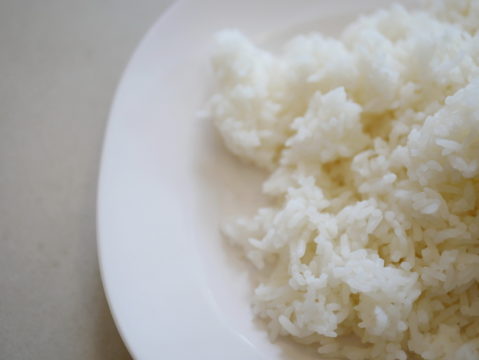
The foundation of everything. Pandan rice is usually used for an Indonesian rice table, and luckily you can simply buy it at the supermarket. This rice is fragrant and the perfect base for serving your favorite dishes.
Spices
With a bit of luck, you may already have the spices commonly used in Indonesian cooking at home. Djinten (ground cumin), ketoembar (ground coriander), koenjit (turmeric) and cinnamon are used in many dishes. You can also buy cumin and coriander seeds, toast them and grind them into a powder yourself in a mortar. This way they keep longer and you get the best flavor.
Ginger
Just as in many Asian cuisines, ginger is the foundation of all kinds of dishes. Whether you use it to make broth for soto ayam or turn it into a boemboe (spice paste) for rendang. You can never have enough ginger, so fill up that vegetable drawer.
Galangal
A relative of ginger, although its flavor is much stronger and somewhat more reminiscent of citrus. It’s much harder than ginger, so you can’t grate it. Cut it into pieces and let it cook along with your dishes. Be sure to fish it out again, though, because accidentally biting into it is no fun.
Sambal
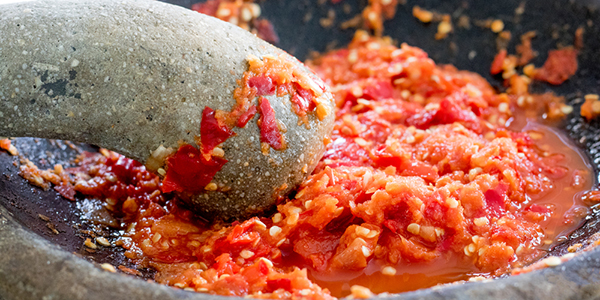
Your Indonesian fridge isn’t complete without at least one jar of sambal. My favorite is sambal oelek, which contains only chili and salt. Properly spicy, then. Sambal manis is a little sweeter and less spicy, and badjak is also milder because of the addition of onion. They’re all delicious on a slice of bread with (peanut) cheese or alongside a fried egg. Go get some!
Palm sugar
Gula djawa (Indonesian for palm sugar) is much darker than regular granulated sugar, both in color and flavor. The flavor is quite roasted and almost caramel-like. You buy it in round discs, from which you cut off pieces before using them in a dish. It’s also available as a syrup or powder, but I really think the discs are the best.
Tamarind
A large pod with a sticky substance inside. You use that sticky interior in your dishes to give them a sour flavor. Soak the pulp in water to loosen it up a little before adding it to dishes. If you find this too complicated, you can also buy it in a jar containing a kind of liquid tamarind sauce.
Lemongrass
The Indonesian name for lemongrass. Chop it finely to incorporate it into a boemboe, or let whole stalks simmer in a dish. I probably don’t need to explain this, but it gives dishes a fresh citrus flavor. It tastes a little like lime, but sweeter. Tip: lemongrass freezes very well. At the toko, you can sometimes even buy bags of stalks that have already been completely cleaned and are ready to use.
Candlenut
It looks a little like a hazelnut or macadamia nut and gives dishes a nutty, rich flavor. Always roast the nuts in the oven first; raw, they are mildly toxic. After roasting, crush them or grate them with the Microplane. They also make sauces thicker and more substantial.
Fried onions
They’re listed here as Indonesian, but fried onions naturally go on everything. A rice table isn’t complete without the crunch of fried onions. My friends even eat them straight from the container as a snack with drinks. One thing is certain: you can never have enough fried onions at home.
Ketjap
Ketjap manis is soy sauce with added palm sugar, which makes it sweet and much more syrupy than Japanese or Chinese soy sauce. Delicious as a marinade for satay, in babi ketjap or mixed into peanut sauce. My absolute favorite is the white bottle with the green cap (this one, to be precise). You may think there can’t be that much difference between them, but there really is.

Pandan
How do sponge cake or spekkoek sometimes get so green? Pandan! And this green leaf is also essential for kue dadar gulung. You can buy the leaves whole and cook them along with dishes or steam things in them. At the toko, you’ll also find ready-made, poisonous-green pandan extract. The latter is especially handy when making sweet snacks.
Santen
The Indonesian term for coconut. You buy the concentrated version in a block, cut off pieces and cook them into your dish, often diluted with water. The coconut milk sold in cans is less concentrated and is called santen kental, and many dishes also include shredded coconut. My best rendang ever even contains all three.
Djeruk purut
It’s also widely used in Thai and other Southeast Asian cuisines, and you may know it as lime leaf or kaffir lime. It gives dishes a lightly sweet lime flavor. You usually braise the leaves along with the dishes, but they can also be incorporated into a boemboe or even used in the filling of a pangist (deep-fried dumpling). It also freezes very well.
Daon salam
Also known as Indonesian bay leaf, it gives dishes a slightly citrusy flavor too, but is less fragrant than djeruk purut. It actually only resembles bay leaf in appearance, so the two absolutely cannot be substituted for one another.
Tempeh & tahu
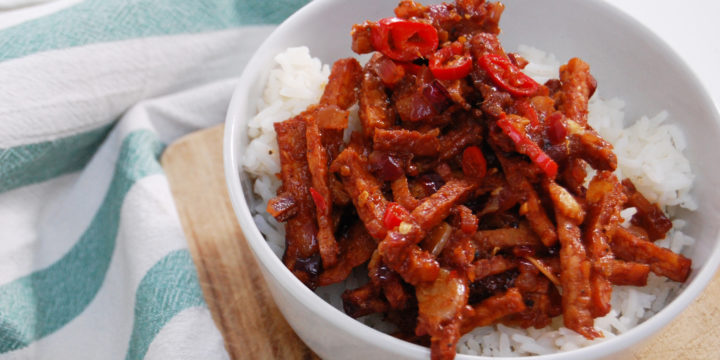
If you want to eat vegetarian Indonesian food, tempeh and tofu are your best friends. Although I also can’t get enough of these soy products, even though I’m definitely not vegetarian. Tempeh has a slightly more sour flavor and is best when fried until crispy. Personally, I already think it’s delicious with a little salt, but sambal goreng tempeh may be even better. Indonesian tahu (tofu) is firm and also delicious when fried until crispy, but you can also let it simmer in a tasty sauce.
Also read:


