



10 ways professional chefs are baffled by amateur cooks’ fumbling
When you’re happily messing around in your little kitchen, you feel like a top chef, but let’s be serious: two seasons of MasterChef and an expensive knife set don’t make you a professional cook. The real pros must chuckle when they see us poor amateurs muddling through, especially when we pull a face as if we’ve just cooked a Michelin star into existence.

You follow the recipes step by step and do your very best to get everything onto the plate as neatly as possible, especially when you have guests over. But we still often make a mess of things in our perfectly ordinary kitchens—and those real hospitality heavyweights notice. These are the ten biggest mistakes a professional cook would truly never make. Make the most of them!
Brown bits in the pan
Is your pan getting a little stuck? Wash it properly—how neat! No, sweetie, those browned bits of meat, mushrooms, and onions are pretty much the tastiest thing in your pan. Er… black scorch marks excluded; we’re talking about the brown, slightly sticky layer on the bottom of your frying pan or Dutch oven. What you should do: add a splash of white wine to your pan and stir loose the browned bits, so you can pour them into the sauce. It gives everything extra flavor!
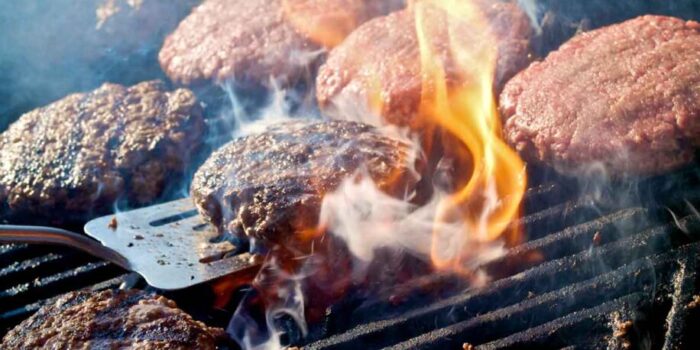
Hockey puck, fresh off the grill
This cook doesn’t hold back: ‘If I see one more person pressing their hamburgers to death on the griddle or grill grate, I’ll knock the whole barbecue over. Those aren’t smash burgers, they’re hockey pucks you’re serving your guests. A well-done hamburger? Give me a break, that’s inedible.’
Fresh and cold
‘I got told off by a chef when he saw that I kept tomatoes in the fridge. Apparently, the low temperature changes something in the tomatoes’ chemical composition, making them taste genuinely worse. I don’t do it anymore; I keep my tomatoes at room temperature. And yes, they’re much tastier.’
Scales
A warning from a pastry chef: use a kitchen scale. Some people measure sugar, flour, and other ingredients with measuring cups or mugs, but honestly, weighing is better. Measuring everything in a cup and then wondering what went wrong with your baking: I know exactly what happened.
Practice
A short but very wise piece of advice: don’t learn recipes; learn cooking techniques.
Tinned?
Really, it happens. People use mushrooms from a tin or jar instead of fresh mushrooms. There’s a huge difference in aroma, flavor, and mouthfeel. Risotto with tinned mushrooms? Surely we haven’t been sentenced to that.
Spicy
Don’t store your spices on a rack in daylight or somewhere warm, such as on top of the extractor hood. Light and heat cause the flavor to disappear quickly.
Mise en place is sacred
What do you think happens in professional kitchens between lunch and dinner? They don’t sit around playing cards; they prepare everything. And you should do the same: read the recipe all the way through, chop your vegetables, mix the herbs and spices, and weigh out the ingredients properly. Then, when you start cooking, you won’t have to keep an eye on your pan while preparing the next step of the recipe at the same time—because that’s how you mess up the whole thing.
Not straight from the fridge
When you’re baking, your eggs and butter should be at room temperature. A pastry chef’s tip.
Is the pan big enough?
Always use a large frying pan, even if the two steaks would easily fit in the small one. An overcrowded frying pan means everything steams instead of frying—it cools down too quickly, doesn’t sear properly, and ends up a soggy mess.
Also read:
- Pronouncing food hyper-correctly
- 10 tips from chefs that will make you better in the kitchen
- 8 tips to make everyday cooking more fun and easier
Source: Bored Panda


