


5 special German cheeses that deserve more fans
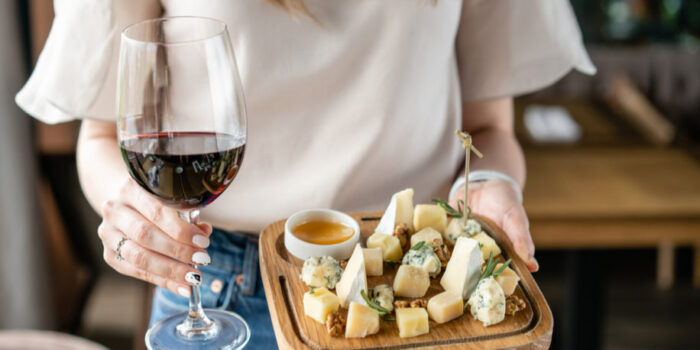
We really are incredibly lucky to live in the Netherlands, where exceptionally good cheeses are made (that win prizes worldwide) and where you can also find the most delicious cheeses from all over Europe. I don’t know if you often stop to think about it, but I pinch myself every time I arrange the cheese haul from the weekend on a good board. But do you know which country many of us tend to seriously undervalue when it comes to cheese? It’s also a neighboring country, namely Germany.

The foreign cheeses that most often end up on the cheese board here are mainly French and Italian, right? That could easily change once you learn a little more about the cheese specialties of our direct eastern neighbors…
Allgäuer Bergkäse
This is a hard raw-milk cheese from the Allgäu mountain region in southern Bavaria. At the beginning of the nineteenth century, a local businessman and cheesemaker invited two cheesemakers from Switzerland to teach him how to make a cheese resembling Swiss mountain cheeses, so he would no longer depend on the expensive import of Dutch and Swiss cheeses. Mission accomplished: this cheese now has a tradition and following all of its own.
Allgäuer Emmentaler
The Swiss masters mentioned above really got things moving, and immediately taught the southern Bavarian cheesemakers how to make their own version of Emmentaler as well. That worked out nicely too, and the famous holey cheese has a successful German descendant. Whole cheeses can weigh up to 130 kilos and have a nutty, mild flavor.
Altenburger Ziegenkäse
The name and packaging suggest that this is a goat cheese, but in fact the cheese consists of only 15 percent goat’s milk; the rest is cow’s milk. The cheese is flavored with caraway seeds (a popular seasoning in Germany) and has a soft white-mold rind (which you can simply eat).
Bergader Edelpilz
This blue cheese also comes from Bavaria, where a small cheesemaker wanted to make a Roquefort-style cheese in the 1920s. He couldn’t get that name past the judge; after all, it is a protected brand name. But as Bergader Edelpilz, this blue cheese is a success too, with its contrast between creaminess and intense aromas and flavor.
Würchwitzer Milbenkäse
This is one very, um, interesting cheese from Würchwitz. The translation is mite cheese, and yes, you can take that literally. It is made by seasoning quark with salt and caraway seeds and placing it in a wooden box with rye flour and special cheese mites. Mites as in the little creatures, yes. (This reminds us of Sardinian casu marzu). The cheese mites secrete an enzyme in their saliva that makes the cheese ripen, while the rye flour ensures that the mites eat that instead of the cheese, because they like rye flour better than cheese (I’d say, do both, but hey). After three months, the cheese has lost half its weight and is ready. And if there happen to still be some little creatures inside? You simply eat those too. Guten Appetit!
Read also:
- Know before you go: 12 German foods and drinks that sound funnier than they taste
- Five restaurants to plan your vacation around
- Vacation in the North? Watch out for these pancakes
Source: Chef’s Pencil


