


6 supposedly unhealthy foods that are actually perfectly fine
These days, it seems you can’t eat anything without running into major problems: cucumbers cause cancer, meat is bad for your gut and MSG was invented by the devil himself. Relax, these six products are actually not as bad as you might think.

Scientific insights aren’t set in stone; they sometimes change and are revised. And that means some advice, for example when it comes to nutrition, is occasionally adjusted. An evolving understanding, if you like. Do you avoid milk because it supposedly isn’t healthy? Do you check every label to make sure a product doesn’t contain MSG? Maybe things are a little different from what you’ve always thought…
6 supposedly unhealthy foods
#1: Eggs
Egg yolks are full of cholesterol, was the message. So: a maximum of two eggs per week was the advice for years. But these days, no link is being found between cholesterol in the blood and cholesterol in food. Some scientists continue to warn against eating lots of eggs, but generally speaking, the strict guidelines limiting people to two eggs have been dropped from healthy-eating recommendations.
#2: Potatoes
Every day, AGV—potatoes, vegetables and meat—is what the Netherlands was built on. But potatoes are packed with carbohydrates, and that’s not good for your blood sugar levels. Apparently, the carbohydrates in potatoes are ‘fast’, so they score highly on the glycemic index. But lately, people have begun questioning the assumption that the glycemic index is important for otherwise healthy people. Recent research also proves that potatoes are just as filling as other carbohydrates and that they aren’t bad for your health. But while potatoes may not be unhealthy, fried potatoes are. So a portion of fries: delicious, but not every day.
#3: MSG
Monosodium glutamate, MSG or vetsin: many people say they react badly to the substance. They get headaches, feel nauseous, experience chest pain and have other complaints after eating a meal containing a lot of MSG, such as Chinese food. In response to these complaints, the U.S. Food and Drug Administration launched a major investigation in 1990. And what do you think? They found nothing. Additional research by the World Health Organization (WHO) also revealed nothing. MSG is simply safe, they say. Some people may be extra sensitive to the substance, or even allergic to it, is one theory—but it hasn’t been researched yet.
#4: Whole milk
Joris Driepinter, two glasses of milk a day, milk is good for everyone and the white engine. This was promoted for years, but many dietitians were critical of whole milk. Skimmed or semi-skimmed milk: sure, calcium and all that, but whole milk is too fatty and bad for your cholesterol. But just as with eggs, this has recently been strongly challenged. To be honest: whole milk is much more nutritious than semi-skimmed or skimmed milk, and for that reason it may be wiser to drink it than those dairy drinks containing zero percent fat.
#5: Frozen vegetables
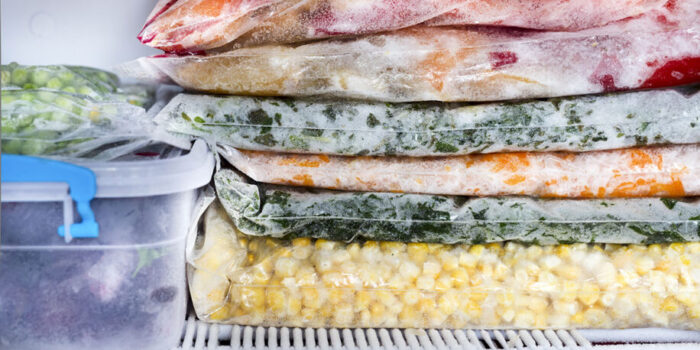
More an old wives’ tale than a scientific conclusion: frozen vegetables would contain far fewer vitamins and minerals than fresh vegetables. Fortunately, that isn’t true. Most frozen vegetables are just as healthy as fresh ones, and the same goes for vegetables from a can or jar.
#6: Coffee
One week coffee is healthy, the next week caffeine is bad again: scientists don’t agree quickly. Some studies seem to show that coffee lowers the risk of a heart attack, but this still needs to be thoroughly investigated. Although some colleagues become extremely jittery when they drink too much caffeine, generally speaking, one or two cups of coffee a day really aren’t bad.
Also read:
- Discontinued supermarket products you still think about every day
- This top tip from chefs makes your minced meat extra delicious
- 8 unusual Jumbo products: how did they come up with these?!
Source: Gizmodo


