


8 things you didn’t know about food (but now you do)
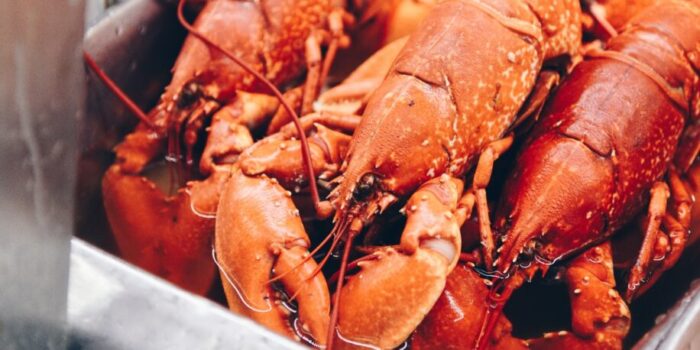
Why Ritter Sport has that weird square shape. That eating lobster wasn’t always as fancy as it is now. And what Cookie Monster stuffs into his mouth. You didn’t know that, and now you want to. Read on.

Rice cake monster
Cookie Monster, that cheerful blue friend from Sesame Street, is always stuffing cookies into his mouth. But they’re not real cookies, reveals a puppeteer who worked behind the scenes at Sesame Street. Grease and chocolate would make the puppet very dirty, and just try getting all that clean again. No, Cookie Monster ate dry rice cakes, which looked like cookies with chocolate chips in them thanks to a little paint.
Forgotten lemonade
A boy who sold lemonade by the side of the road, exactly as you always see in those sentimental American movies, invented the ice pop—by accident. At the end of a long day behind his lemonade stand, he couldn’t be bothered to clean everything up and left it all outside. There was a nighttime frost, so the next day his supply of lemonade syrup was frozen, with the stirring sticks still in it. Clever kid, because he immediately saw that this could become a hit. Smart Frank Epperson, eleven years old, applied for a patent in 1905, and the first ice pops were born.
Old fruit
Delicious, fresh pineapple. But did you know that one of those takes three years to grow big? A pineapple grows in the heart of a succulent, on a stem, so apparently it grows very slowly. Vanilla pods also grow very slowly; the plant is three years old before it can produce a vanilla pod. The fact that the flowers bloom for only one day, and therefore have just 24 hours to be pollinated, doesn’t exactly help either.
Too much nutmeg
If you eat too much nutmeg, you can start hallucinating. Nutmeg contains myristicin, and it isn’t exactly healthy. You’ll probably have to grate a lot of nutmeg before music comes out of your speakers in colors and you can talk to animals, but still: be a little careful when grating it over your Brussels sprouts or green beans.
The cashew doesn’t fall far from the tree
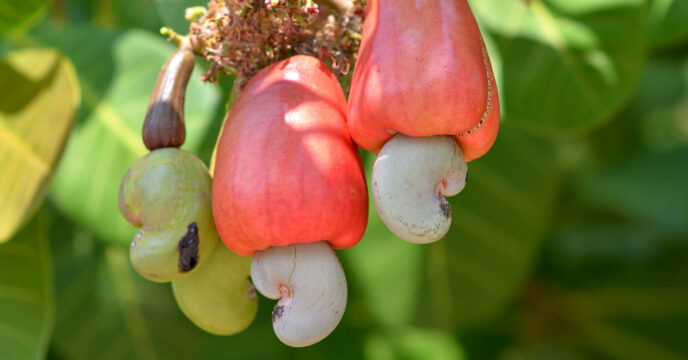
Do you know how cashews grow? They aren’t seeds and they don’t grow underground, like peanuts, but hang like a kind of comma beneath a cashew apple. You have to see it to believe it: that’s how cashews grow.
Citrus in water
Slices of lemon float in your drink, which is why you always have to fuss around when there’s a slice of lemon in your cola. Pushing it down with the muddler the whole time, trying to drink, then the muddler in your eye, muddler out, lemon in your mouth—minor misery, but still. Good news: lime sinks in a drink. How come? Doesn’t matter—take advantage of it!
In your pocket
Ritter Sport, you know: those square chocolate bars with all kinds of fun flavors. They always stand out in the supermarket aisle with the bars and chocolates because of their unusual shape. That wasn’t the intention, by the way, because the makers of Ritter Sport had a very practical idea: a bar fits perfectly in your jacket pocket without having to break it. The manufacturer even won a lawsuit over the shape; they are now the only factory allowed to make square bars.
Fancy food
Eating lobster—that sounds decadent, doesn’t it? For good reason: you can easily pay thirty euros or more for half a lobster. Extremely exclusive, in other words. But it wasn’t always that way: in the nineteenth century, lobster was sold in cans as poor people’s food. Maine, in North America, has a lot of lobster. The region’s original inhabitants really didn’t like lobster, and when the colonists arrived in the seventeenth century, they weren’t exactly enthusiastic about it either. They saw it as food for poor people: orphanages were given lobster to feed the children.
Read also:
- The sobering truth about vegan cheese
- 8 remarkable food facts that are useful to know for your own safety
- 11 remarkable facts about bananas you didn’t know yet
Source: Constative


