


The Disturbing Truth About Vegan Cheese
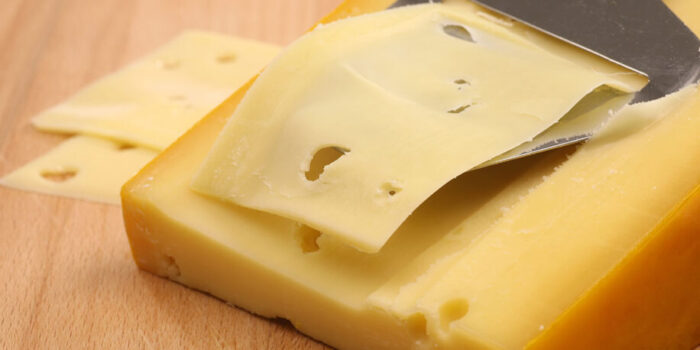
The Dutch Consumers’ Association tested six types of vegan cheese, and the conclusion is shocking. None of the six plant-based cheeses is healthy; they all contain too much fat and salt. And even worse: none of them tasted good.

Surprised? Editor-in-chief Sharon van Lokhorst isn’t. ‘I once made vegan pesto for vegans who came over for dinner. When I opened the packaging of this vegan ‘Parmesan‘, I felt sick. It smelled like vomit, and it probably tasted that way too. I also felt very guilty toward Italy for having brought something so banal into my home in the first place. Threw that crap away immediately—even mice run a mile from it. Sorry, vegan friends.’
Cashew cheese
Strange, because it can be done. Just think of the vegan French cheese at Mrs Watson, made from cashews. They even have a blue cheese on their cheese board! Or the vegan ‘This is not Parmesan’ at Lidl, unfortunately only available here temporarily, but sold elsewhere too. But cheese slices on bread? Sorry, we’ve never tasted a delicious plant-based cheese.
Fat, salty and disgusting
And that conclusion is reinforced by the Dutch Consumers’ Association’s research. Only two of the six cheese slices tested were somewhat appreciated by their tasting panel; the other four were inedible. But there’s more wrong with the cheese. Four of the six, for example, contained almost no vitamin B12 or calcium, which you might reasonably expect from an alternative to cheese. And on top of that, the slices contained far too much fat and salt.
Get to work!
Conclusion: that fake cheese is a poor substitute for real cheese, and vegans already have to miss out on so many delicious things. Food producers have work to do—and until then: perhaps have a slice of organic young matured cheese now and then, dear vegans, when no one’s looking?
Also read:
- Vegan fake tuna—even cats fall for it (+ recipe)
- Multigrain or whole grain?
- ONA is the first vegan restaurant in France with a Michelin star


