


8 tips from culinary school to apply in your kitchen

For some people who love cooking (me!), there is little more enjoyable than hearing from people who spent years at culinary school about the genuinely useful tips. There are so many tips you can use to become a better cook yourself, so when chefs speak, we listen…

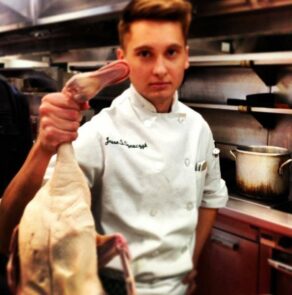
These tips come, for example, from chef Jesse Szewczyk, who did an intensive culinary course after secondary school but promises that he is not going to teach us how to break down an entire duck (yes, really the whole thing, head and all) into pieces. No, these tips are more in the ‘take it easy’ category, but they can still be very useful in any kitchen!
Not just salt
If your dishes taste flat and boring, they most likely need more salt first and foremost. You do not only add salt when the food is on the plate; in fact, you add it almost always from the very first step of the preparation process. But… salt is not the only thing that can take a dish to a more interesting level; sugar can do that too. Not in everything, but in tomato sauce, for example, it is often essential for balancing the acidity of tomatoes that are just short of ripe, or canned tomatoes.
Onions and some roasted vegetables, such as beets or carrots, can also be wonderfully caramelized with a small pinch of sugar. And many people add a little sugar to the cooking water for green beans.
And then we move straight on to: acidity. Also very important when balancing flavors! A squeeze of lemon juice works wonders to make fats feel a little less heavy and give a dish a fresh note.
Cold butter at the end
According to Jesse, chefs make their sauces so rich and glossy by adding a few knobs of cold butter just before the cooking time is up; the French term for this is monter au beurre. Golden tip!
Pan sauce is a must
Whatever you do, never throw away the delicious browned bits left in the pan after frying meat or fish. Deglaze the pan! Scrape them loose with a splash of stock or wine, and you immediately have the basis for a wonderfully tasty sauce.
Dried off
When you are going to prepare meat or fish, make sure it goes into the pan completely dry. (Or, in the case of, for example, roasted pork belly, into the oven). Pat it thoroughly dry with kitchen paper or a clean tea towel that can go into the wash afterward, or leave it uncovered in the refrigerator for a few hours to dry out.
Toast nuts and spices
To release all the deep flavors and aromas from nuts and spices, you really need to toast and heat them briefly. A dry frying pan works perfectly; if, for example, you toast fennel or coriander seeds or cumin first and then crush or grind them, you will truly taste a world of difference. (Tip: toasting nuts in the microwave works too).
You can also heat herbs and spices very briefly in hot oil—try making chhonk to pour over soup or serve with a drinks snack! You can also heat nuts in a single layer on a baking sheet for about 10 minutes in an oven at 180 C before using them in a dish.
Cooking for a group
If you feel like spending the entire evening exhausted and miserable from stress behind the counter while a large group of people comes over for dinner because you wanted to cook five courses, we certainly will not stop you. But take it from Jesse: keep it simple when cooking for a group. Just choose one course to really put effort into, such as a perfect roast chicken with a few side dishes, or an amazing pasta, and make sure you get to enjoy a pleasant evening too.
Emoji egg
Personally, I love a fried egg whose underside is almost burnt, so crispy and crunchy. But Jesse says that when he served his teachers an egg that was too far gone, he was told off. What is the trick to a chef-worthy fried egg? Cook it over low heat, so low that browning would hardly even be possible—then you get a picture-perfect egg.
Keep your hands off that meat
Do not keep sliding and fiddling with that piece of meat in the pan, and certainly do not start poking it to see whether the inside is done to your liking. Creating a perfect sear on a steak simply takes a little time. Keep the heat high, turn it only once, and rest assured: when the meat is cooked properly, it will release itself from the bottom. And then: let it rest, of course!
Source: Tasty
Read also:
- Snackspert: ‘The Albert Heijn kebab sandwich is even emptier than my soul’
- Why you should not pick those white strings off your mandarins
- Two experts on the phenomenon of Dry January


