



Are A-brands actually healthier than B-brands?
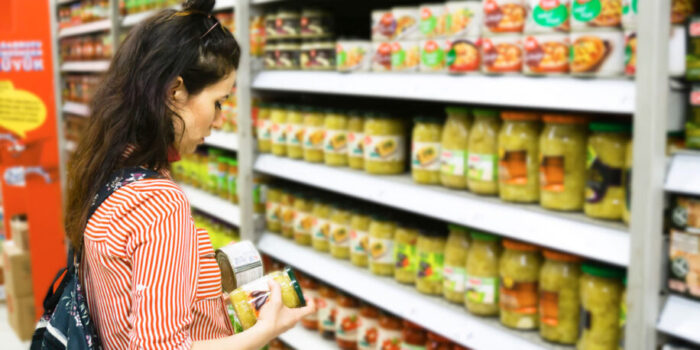
A-brands always stand out next to B-brands. Their logos are more eye-catching, you see more advertisements for them, and they are always displayed in a prominent place on supermarket shelves. So it’s not surprising that you automatically assume A-brands are therefore better and healthier than B-brands. But is that really the case?

Have you also noticed that you actually never see advertisements for supermarket own brands on TV? Even though you’re bombarded with ads for A-brands. Coca-Cola, Knorr, Robijn, Campina, Lay’s, Unox… You see promotional videos for all the major brands. Although you may loudly claim otherwise, they probably still influence you at least a little. During a random grocery shop, just take a look at how many A-brands you have unconsciously thrown into your basket.
A-brand advertising
Those advertisements are precisely why A-brands are almost always more expensive than B-brands. An advertising strategy costs money, and that money has to be recouped. Advertising can pay off because it tempts customers to choose your product. But as a customer, you indirectly pay for that straight away. B-brands do not advertise and often keep their packaging simple. This allows them to save money, which means they can offer their products more cheaply than A-brands.
The winner takes it all
But does that actually say anything about a product’s healthiness? Metro spoke to nutritionist Camella Bot, who gives a clear answer: no, A-brands are not necessarily healthier than B-brands, and vice versa. It varies from product to product. Sometimes the A-brand is the winner, sometimes the B-brand. It is even quite possible that A- and B-brands come from the same factory. That does not mean the ingredients and recipes of the products are exactly the same, but they are often very similar.
Check the packaging
If you want to make sure you choose the healthiest option, Camella recommends carefully checking the ingredients list on the packaging. That is the only thing that gives you more certainty about what kind of product you have in your hands. So forget the slick advertising or shiny, colourful packaging.
Tasty
Is an A-brand always tastier than a B-brand? That certainly isn’t the case either. We have experienced this often enough ourselves in the editorial office. For example, cheap zero cola turned out to be just as tasty as the expensive A-brand. And in taste tests—from paprika crisps to peanut butter—we regularly discover genuine supermarket own-brand gems.
So don’t be tempted anymore by advertisements featuring singing celebrities telling you that you absolutely must buy ‘this 100% natural, aromatic, artisanal, energising, mould-free, plant-, animal- and water-free probiotic yoghurt for extremely healthy intestines for just €25 per pack’. You know better.
Also read:
- 11 tips for saving a huge amount at the supermarket
- Research shows: supermarket own brands are cheapest at this supermarket
- Best product of the year 2023: Aldi’s own-brand products win prizes once again
Source: Metro


