


Bluff your way into: rum
Barrels of rum as booty for pirates—you probably knew that already. But a rum barrel as a coffin, rum as a political statement or medicine for scurvy, perhaps not.

Drink of 2019
As far as we’re concerned, rum was never out of style (because: Daiquiri! Keep reading), but now its rebellious spirit has well and truly made a comeback. According to men’s magazine Esquire, rum is even the drink of 2019. Why? Rum is versatile, says award-winning bartender Eric van Beek of hotel TwentySeven. White rum, brown rum, neat or in a cocktail, rum can do it all.
Rum from sugar cane
Rum is made from the leftovers of sugar cane, such as sugar cane juice or molasses. This is diluted with water, then fermented and distilled. EU guidelines: the distillate of 96% alcohol may be diluted to 37.5% alcohol, but no lower.
In a barrel (or not)
Dark rum is aged in wooden barrels. Rum producers, for example, buy discarded whisky barrels to give the rum a richer flavour. White rum has not been in a barrel, or it has been heavily filtered to remove the colour again. Aged rum can be golden after a short time in the barrel, or dark after longer aging.
Yo ho ho… and a barrel of rum
A lot of rum is made in South and Central America, countries where sugar cane is grown. There, privateers and pirates were in charge for years. They stole rum from one another and used it as a means of exchange. Many rum brands use that pirate image in marketing their drink.
Small sips
Trend: sipping rum. This is rum with a higher alcohol percentage (at least fifty percent), which, like fine whisky, is drunk neat or with a tiny bit of water. Usually it is a dark rum that has been aged for a long time and blended by a master blender from different barrels.
Spanish, English, French
Rum is divided into three groups, depending on its style. Spanish style: made from molasses, with a light flavour. Example: Bacardi. English style (from Jamaica, Trinidad and Tobago): the same base, but made according to the pot still method, resulting in a deeper colour and flavour. French style (such as on Martinique): made from fresh sugar cane juice, not molasses. Fresh flavour. These days, rum is also made from sugar cane juice in Jamaica and pot still rum in Spanish-speaking countries, so this classification is actually outdated.
Spicy
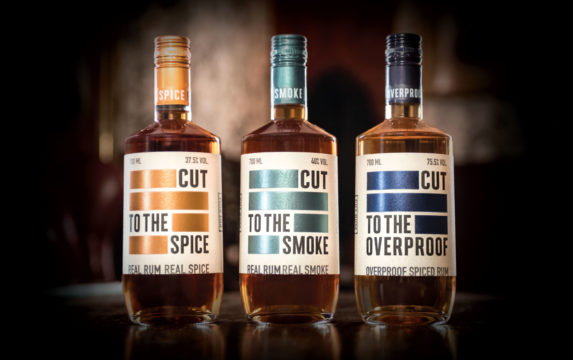
Spices such as cinnamon, pepper or anise can be added when blending rum. This makes it a spiced rum. There are smoked rums and flavoured rums, which get their flavour from fruit distilled along with the rum, such as banana, orange or coconut.
Daiquiri
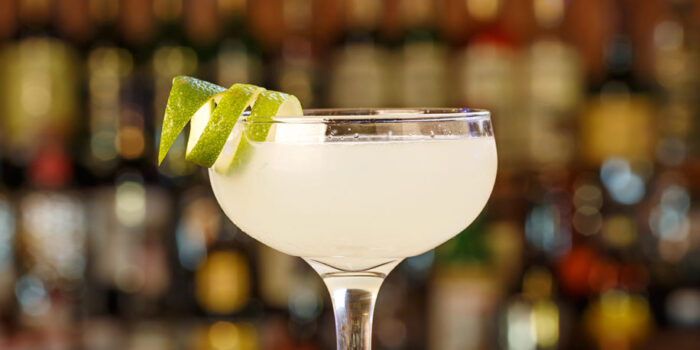
Overproof rum has an alcohol percentage higher than 57%, and often much higher. In the past, this alcohol percentage was demonstrated by pouring the drink onto gunpowder and setting it alight. If the gunpowder burned, the alcohol percentage was higher than 57.15% abv (alcohol by volume) and it was ‘overproof’. Irresistible in a Daiquiri, the classic cocktail made with white rum, sugar syrup and lime juice.
Vitamins
To prevent scurvy, British soldiers used to receive rum with lime juice in their rations. In hindsight, the success of this medicine was mainly due to the vitamin C in the citrus fruit, but at the time rum was also credited with extraordinarily healing powers.
Cachaça
Brazil is the birthplace of rum. In Brazil, rum is called cachaça. Rum has been made here since the sixteenth century, when Portuguese colonists established the first sugar cane plantations. The oldest rum brand is Mount Gay, from Barbados. First bottle: 1703.
Coffin, er… barrel
Admiral Nelson died during the Battle of Trafalgar (21 October 1805). A quick trip to the coast to arrange the funeral while the naval battle between the English and French was still raging was not really an option. That is why Horatio Nelson’s body was placed in a large barrel of rum, to preserve him until things had calmed down. On 9 January 1806, he was poured out and buried in St Paul’s Cathedral.
Nicknames
Order something different for a change—rum has countless nicknames. A selection from the collection: kill devil, nasty neaters, demon water, splice the main brain. And Nelson’s blood, see the previous point.
Save the best for last
How long can you keep rum? The alcohol percentage is so high that rum cannot spoil or develop mould. Even so, the flavour deteriorates somewhat once a bottle has been opened, especially when there is only a little left. Replacing the cork, storing it in a dark place and, if necessary, decanting it into a smaller bottle is advisable.
Tasting rum
Alongside wine tastings and whisky nosing and tastings, there are also rum tastings. Tasting rum works roughly the same way as tasting wine, so take small sips. Hold the rum in your mouth for a moment and gargle a little, so that all the flavours and aromas can develop. Unlike at wine tastings, rum tasters call it a day after a glass or ten; by then their taste buds are numb.
Also read:


