



Can you eat green bananas – and more pressing banana questions answered
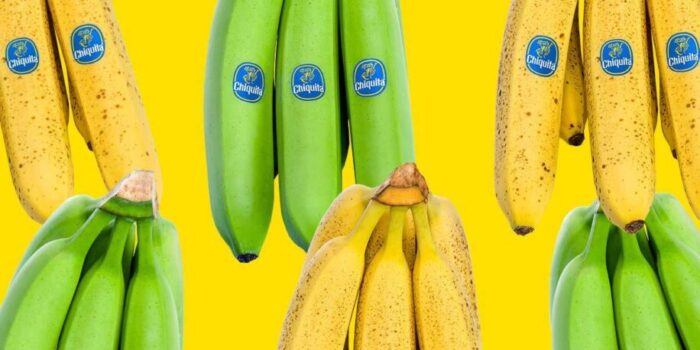
You know the feeling: you want to buy bananas, but the only ones on the shelf are green ones? Particularly annoying if you want to make, for example, banana bread, sticky banana cake with syrup sauce (yessss!) or smoothies, because ripe bananas are at their most delicious in these recipes. But a banana’s character changes as it ripens; bananas are harvested green and begin to ripen as soon as their stem is cut from the plant. Each stage of ripeness is perfect for a particular dish or the right technique.

People all over the world know the benefits of bananas. The banana is an incredibly popular and versatile fruit, and people eat them in all kinds of ways. In fact, there’s even a Spotify playlist featuring nothing but banana hits and a banana museum! Apparently, there are also quite a few questions about bananas, and the good news is: we have the answers!
Can you eat green bananas?
Yes! People in many parts of the world actually prefer green bananas. In the Caribbean, for example, green bananas are called ‘Caribbean figs’. They are used as a vegetable and are often sliced and added to salads or mashed and turned into porridge.
In Puerto Rico, ‘alcapurria’ is a favorite roadside snack. It’s a tasty mix of grated taro root and green bananas, filled with a mixture of ground beef, sofrito, capers, olives and allspice.
In Uganda, locals make a spicy green banana mash with fried onions, cumin, garlic, peppers, tomatoes and tomato paste. And in Asia, green bananas are boiled, mashed, fried or eaten with curry.
So yes! The answer is: you can eat green bananas, and they’re delicious! You can also use green bananas instead of plantains. Why not make plantain guacamole with them? Absolutely delicious!
Are green bananas good for you?
Yes, green bananas have major health benefits! They are a better source of fiber than yellow bananas, which can help maintain a healthy gut. They also contain less sugar and, at this green stage, have the maximum amount of vitamins and minerals.
Bananas are also one of the best potassium-rich fruits: 100 grams of banana contains approximately 17.9% of our recommended daily intake of potassium. Potassium helps regulate our nervous system and stabilize our blood pressure. Bananas are also high in vitamin B6, which helps support the formation of red blood cells and a healthy immune system.
Are yellow (riper) bananas good for you too?
Of course! As bananas ripen, their starch content changes into simple natural sugars (sucrose, fructose and glucose), and these sugars are indeed healthy. Together with soluble fiber, natural sugars provide steady, long-lasting energy to fuel your morning.
What about bananas with brown spots?
As bananas age, the peel develops small brown spots. These are known as ‘sugar spots’, and they’re actually remarkably good for you. If you peel a banana with brown spots, you’ll discover that the fruit inside is still perfectly good—just a little riper and sweeter than when the peel was sunny yellow.
In fact, the more brown spots, the sweeter the fruit. So don’t throw away those beautiful brown-speckled beauties. They’re still perfectly fine to eat. These ripe bananas are even ideal for most banana recipes, such as banana ice cream (made with banana alone!) and this delicious banana bread with walnuts and cranberries.
An overripe banana can also be frozen, but make sure to peel it first.
Read also:
- How to ripen bananas in 15 minutes
- Shit: we really have a serious banana problem
- Recipe: bananas in foil
Source: Chiquita


