



Champagne cheaper this year? That could very well happen, and here’s why
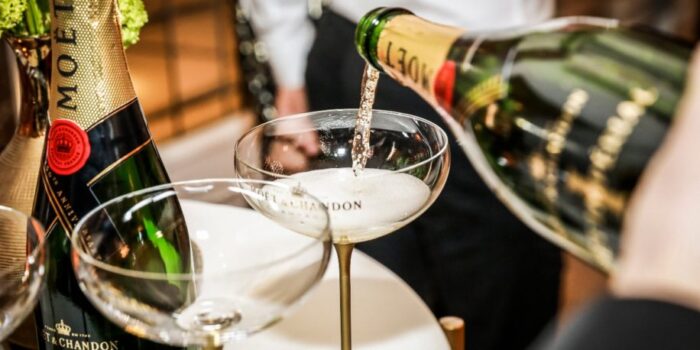
Call me a snob, but honestly: no drink makes me happier than a glass (or 2, 3) of champagne. And I mean the real deal: the sparkling wine from the region of the same name. And it could very well become cheaper this year.

And just like so many hospitality-related matters, this also has to do with coronavirus. Because of the months-long closure of cafés and restaurants, many of my beloved bottles of fizz haven’t been poured, but are sitting around collecting dust in a very unglamorous fashion. Champagne producers expect to sell 100 million (!) fewer bottles this year, according to the French Champagne Wine Committee CIVC (the committee that represents the interests of Champagne wines worldwide). That amounts to one-third of usual sales. That’s a lot of fizz!
Lower sales
The CIVC expects champagne sales to remain lower than before the coronavirus outbreak at least until the end of the year. “We hope that we will sell more when hotels, cafés and restaurants reopen their doors and people return to a normal and more optimistic life,” vice-chairman Maxime Toubart said.
Cheaper bottles on New Year’s Eve?
That could certainly happen. Producers may choose to sell their larger champagne stocks at a lower price so they can still make some money from them—and the most logical time to do that is toward the end of the year. My tip: buy Madonna’s favorite champagne; it’s a truly delicious bubbly!
Bottling in 2022
In Champagne’s 200-kilometer-long underground tunnel system, around 980 million (!) bottles are maturing. To prevent the stock of champagne from becoming too large, the CIVC decided last Thursday that some of the champagne made from this year’s grape harvest may not be bottled until 2022.
Also read:
- This bubbly sparkles like champagne, tastes like prosecco and is alcohol-free
- Trend: pizza with champagne
- Real champagne for next to nothing!
Image: Special Pixels


