


Expert furious: documentary Seaspiracy really makes no sense
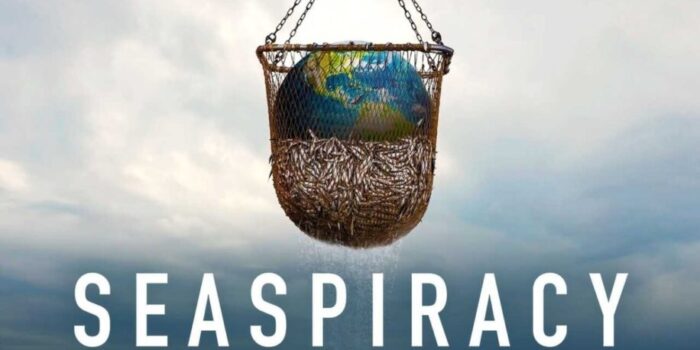
The documentary Seaspiracy really hits hard. Would it be better to stop eating fish altogether? Or is there still sustainable fish to be found somewhere? Christine Absil is an expert in sustainability and fisheries, and she knows how things stand. ‘Fisheries are much more complicated than the meat industry. That documentary is a real missed opportunity.’

She was furious when she watched the documentary Seaspiracy on Netflix , Christine Absil says. She has been committed to sustainable fisheries for years, including as the founder of the Good Fish Foundation and as an adviser on sustainability and fisheries management. ‘Experts don’t get a chance to speak, except for one, and that person is framed in such a way that it seems as though no sustainable fish exists. It does not do justice to the situation at all. I really thought this story was a missed opportunity. The makers have a vegan background. There’s nothing wrong with that, but they built the entire documentary around that message.’
Support sustainable fisheries
The documentary’s conclusion: never eat fish again, because fishing is a polluting industry that is destroying Mother Earth. A non-solution, Absil judges. ‘Then you are not contributing to the solution in any way. By buying sustainable fish, you support companies that want to improve fisheries. If you know where you can buy fish and which fish is responsibly sourced, you can absolutely continue eating fish. As long as you pay attention to where the fish comes from.’
Mackerel heads north
Take mackerel, for example. The sea is teeming with it, but there is no certification label, and that is not without reason. Eat it or not? ‘Over the past ten years, influenced by climate change, mackerel have been swimming increasingly farther north. Fishermen from Russia, Iceland and the Faroe Islands also found the fish in their nets. They have no agreements on how much mackerel they are allowed to catch, but there was plenty, so they went for it. But other countries, which did have agreed fishing rights, did not catch less mackerel. So the mackerel management plan is not properly structured. That is why the certification has been suspended. This does not mean that mackerel is immediately at risk of extinction; mackerel are still doing well. But a plan is needed to prevent overfishing in the future.’ Are you unsure because the fish you want to buy does not have an ASC or MSC certification? Check the Fish Guide.
Concerns about cod
So what is sustainable fish, and what is not? In fisheries, things are slightly more complicated than in the meat industry. ‘You might say: fish with few food miles is sustainable. A small carbon footprint and all that. But that is not always the case. Suppose the fish is caught in a way that causes a great deal of damage to the seabed or involves boats using a lot of fuel; then it is not a sensible choice after all. In theory, you might be better off eating farmed fish that comes from a little farther away than locally caught plaice.’
Cod in the North Sea is in a bad way, Absil says. ‘Too much of it is being caught. During the annual quota circus in Brussels, the advice given by biologists for sensible management of the species was ignored. No, every country only wants to take as much fish as possible from that sea; they are not thinking about the long term. Cod is suffering from warming, recruitment is declining, and we really need to make an effort to address this.’
Contribute to the solution
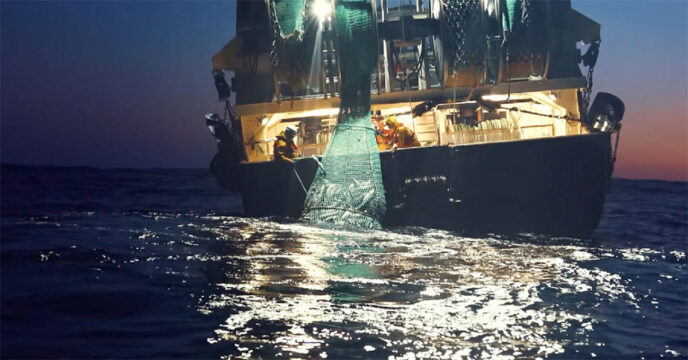
Her main objection to Seaspiracy: it simplifies the problems surrounding sustainability and fisheries, then draws the wrong conclusion. The documentary maker warns: stop eating fish, otherwise there will be nothing left swimming in thirty years. ‘I haven’t heard a single colleague say anything positive about this documentary,’ says Absil. ‘If you pay attention to which fish you buy and look at certification labels, you can certainly continue eating fish. Then you contribute to the solution instead of the problem.’
Image: Netflix


