


Fed up with the nuisance: Amsterdam municipality takes action against the expansion of rapid grocery delivery
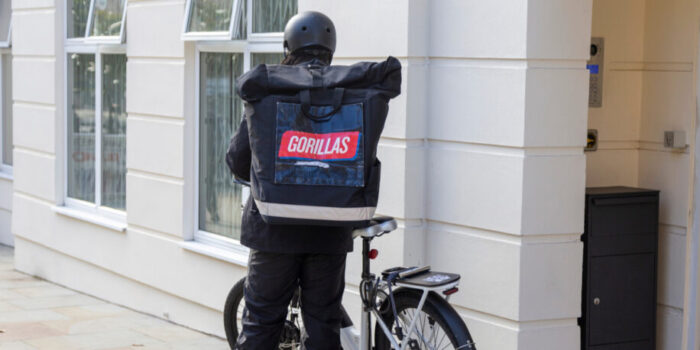
Many people living in the city use rapid grocery delivery: groceries delivered by a courier on a bicycle or scooter. Companies that provide these deliveries set a (often relatively low) minimum order amount, but will therefore also deliver something as small as a piece of Parmesan cheese and a bottle of wine. The phenomenon has enthusiastic fans, but the way these companies operate in practice also meets with considerable resistance from residents.

It’s not as though the courier simply pops into the supermarket to pick up your groceries, only to find themselves getting annoyed at the self-checkout tills before jumping onto their trusty steed. These companies largely operate from ‘dark stores’ in residential neighbourhoods: distribution premises close to their main customers, allowing them to make the ‘delivered to your door within ten minutes’ business model possible. But many local residents living near these premises have risen up in protest, and the municipality of Amsterdam has made a firm decision.
Heavy-handed measure
Het Parool calls it a ‘planning sledgehammer’: the preparatory decision that took effect on Thursday 27 January 2022, banning the establishment of new dark stores within the municipal boundaries of Amsterdam for one year. According to alderman Marieke van Doorninck (Spatial Planning), this will curb the unchecked growth of these city warehouses, allowing civil servants to use this time to develop sector-specific policy.
Unpleasantly surprised
The rapid rise of earlier forms of sharing-economy platforms such as AirBnB and Uber previously caught the municipality off guard with their major impact on the city. Because no regulations had been established in advance, it was impossible to respond in time and “without rules, you’re always playing catch-up”.
Nuisance
The policy now being developed is intended to allow future distribution premises only outside residential neighbourhoods. Existing dark stores may continue operating, but only if the premises in question currently have a retail designation. Enforcement of nuisance around these premises will be intensified, with the aim of reducing the inconvenience experienced by nearby residents from the suppliers who restock these premises every day and from groups of couriers who often have to wait on the pavement with their bicycles or scooters for their next trip.
According to the municipality, the preparatory decision to prevent further expansion is necessary because the rate at which new dark stores are being established is rapidly getting out of hand—faster than policy can be developed. In Het Parool, rapid grocery delivery companies respond mainly with surprise and disappointment.
Also read:
- Eddie’s food frustrations: spot checks at the supermarket
- At these addresses you’ll find the most delicious croissants in Amsterdam, from sourdough and wholegrain to classic French
- ‘City Deal’ signed for a healthier food environment
Source: Het Parool


