



How to defrost salmon
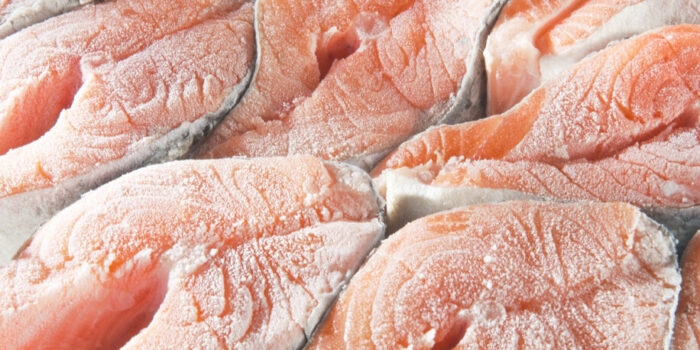
Salmon is fantastically versatile; whether you’re going Asian or Mediterranean, want to be healthy and steam it, or simply toss it into a big splash of oil and cream with pasta underneath and some old-school garlic bread on the side… It’s affordable too, if you buy frozen salmon. Make sure there’s an ASC or MSC certification on the packaging, so you know for sure that your fish was responsibly farmed or caught. But what’s actually the best way to defrost salmon from the freezer?

The answer depends on how far in advance you come up with the (excellent, by the way) idea of preparing the salmon in your freezer. In other words, how much time do you have to let it defrost? All of the scenarios below happen regularly, and this is how to handle them:
You’re a well-prepared sort
You planned ahead and thought well in advance: ‘salmon tomorrow.’ So you take the salmon out of the freezer the night before and place the pieces, in their packaging, in a bowl or deep plate in the refrigerator. Pat them dry with paper towels before preparing them, and you’re ready to go.
You have an hour or two, maybe three
You didn’t think of it yesterday, but you still have a few hours before you want to sit down to eat? If the salmon is in its own vacuum packaging, leave it in there; otherwise, put the pieces in a resealable plastic bag. Fill a large bowl with cold water and submerge it. You can weigh it down with something so it stays underwater. Depending on how large and thick the pieces are, it takes about an hour for them to defrost. Check after half an hour and replace the water with cold water if it has become lukewarm.
Hungry, now
Psssst, little secret: you can also put the salmon straight into the pan while it’s still frozen. (It works with steak too!) That may sound like the opposite of everything you’ve ever heard about (not) cooking frozen food directly, but it isn’t dangerous. You do need to pay close attention to the cooking time, though, or you’ll end up with dry, boring salmon. Here’s what to do: first heat the salmon for five minutes with a lid on, over high heat or at a high oven setting (use aluminum foil in the oven or a lid on a pan), then cook it for another five to eight minutes until all the excess moisture has evaporated.
Don’t
The goal is to avoid room temperature, so bacteria don’t get a chance to ruin everything. As long as you keep the frozen salmon away from it, you’re fine. With option 1, you defrost it slowly at a safe, cold temperature; with option 2, you change the water often enough to keep the salmon cold too; and with option 3, you heat it so quickly that you rush right past room temperature. What you should never do is heat frozen salmon with hot water, and defrosting it in the microwave isn’t the best idea either. The latter two methods also affect the fish’s flavor and texture.
Winner winner salmon dinner
Learn something new? Then get started with one of our amazing salmon recipes!
Also read:
- How to defrost chicken
- Five really good tips for freezing (and defrosting) meat
- How to make frozen green beans that actually taste good


