




How to keep your homemade sandwiches fresh until lunchtime
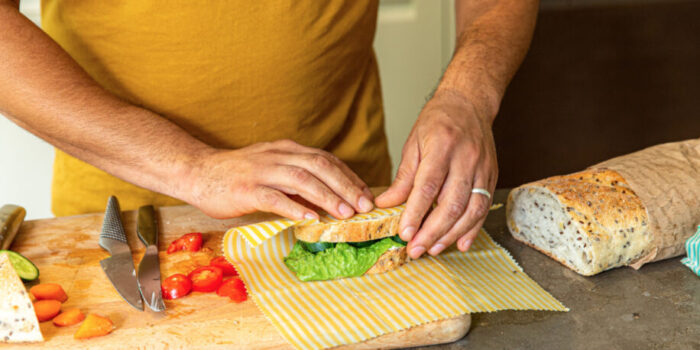
Taking a sandwich with you is certainly not exclusively Dutch, although a brown-bread sandwich with cheese in your backpack is a pretty typical phenomenon. But if you want to make a little more effort for a top result and also reduce the chance of ending up with a soggy, limp sandwich, read these tips!

Because nobody feels like eating soggy mush when lunchtime arrives and you dutifully unpack your homemade sandwiches. So with these tips, you’ll keep them fresh and crisp!
Not plain white or brown bread
Those simple soft slices of bread can be delicious (at home, topped with strawberries, for example, or the best aged cheese), but if you want to take sandwiches with you, you’re better off using a genuinely sturdy bread. Go for sourdough with a good crust, or ciabatta, or a tortilla to roll up.
Unless you toast it
If you really don’t want anything other than slices of soft bread (because the wires on your braces have just been tightened or something, I’m just saying), consider toasting it first in a toaster. No, it won’t stay crispy, but what does happen is that the bread itself dries out, making it more resistant to moisture from, for example, tuna salad or roast beef.
Bob the Sandwich Builder
But if it’s really, really important to you to eat a few soft slices of bread in the middle of the day, take the components for your sandwich separately packed. There are plenty of fun lunch boxes for adults these days, so you really don’t have to go to work with a Smurf lunch box… Especially if you plan to tuck into tuna or egg salad: take it separately and assemble your sandwich on the spot.
Spread it
You may think this is precisely the source of all sogginess, but a layer of butter (choose the best butter!) or mustard or full-fat cream cheese forms a good protective layer between your bread and the filling. Also delicious: a thick layer of hummus, then lettuce, and, for example, some grilled vegetables.
Keep it cool
Never fill a sandwich you want to take with you with warm ingredients. Great that you’ve just made a delicious thick omelet or fried cubes of chicken breast in kecap sauce, but let it cool down for a moment before stuffing it into a sandwich. Otherwise, the steam will immediately make your sandwich soggy.
Iceberg barrier
Mentioned briefly above, but a lettuce leaf between the bread and filling really is a good idea. Iceberg lettuce, which has gone seriously out of fashion but is making a strong iceberg comeback thanks to some chefs, works very well as a protective layer so any moisture doesn’t seep into the bread. Or romaine lettuce, also a good sturdy option.
Bye-bye, bread
If you’re still not convinced and absolutely hate limp, soggy dough, leave bread completely out of your lunch. If you’ve already had a hearty breakfast in the morning with a thick slice of good toast or an uplifting bagel, you could have lunch with a wrap made from your filling in a sturdy leaf of, for example, cabbage or Swiss chard, or double layers of iceberg lettuce. If you’re not fond of raw cabbage, blanch a few leaves first. Fill the leaves with what you would otherwise put in your sandwich and some extra raw vegetables, roll them up tightly, then wrap them in foil or secure them with a toothpick.
Bonus tip
Building on the tip above: it takes a little more time than spreading a slice of bread, but a wrap like the leafy vegetable wrap described above is also incredibly delicious when made with a large sheet of rice paper. Like a Vietnamese summer roll, yum!

Read also:
- Top recipe: Israeli sandwich (sabich)
- Recipe: insanely delicious Italian sandwiches
- Where to eat the best club sandwiches in Amsterdam


