


Of all knives, these are the only three you really need
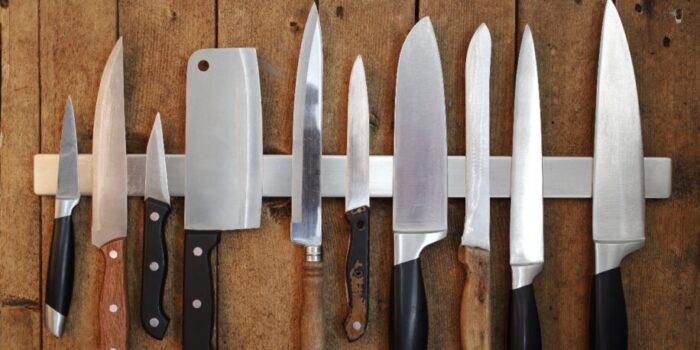
We previously explained why we are not fans of the knife-set phenomenon, because what on earth are you supposed to do with six knives that are often of mediocre quality? Less is more, or at least better when it comes to choosing just a few good-quality knives with which virtually everyone has an excellent foundation in the kitchen. (By the way, if you do have a knife block, this is the best way to clean it…)

According to experts, you should be perfectly able to manage with just three different knives. And if there only have to be three, you might be able to spend a little more on them (or ask for them as gifts) and be sure of truly good (and therefore often safer) knives. These are the three knives you really cannot do without, but which should also be enough for everyone:
A chef’s knife
Your chef’s knife will probably be your most-used knife, so invest in quality if you can. Visit a specialist and ask for advice on which knife best suits your cooking style and technique; perhaps that is a Japanese knife, or perhaps a European one. Make sure it feels comfortable in your hand and is not too heavy but is sturdy. You will use it for everything from cutting a roast chicken from the oven into pieces to dividing a watermelon or cutting carrots into julienne – it really will be the workhorse of your kitchen, so choose one that meets your needs.
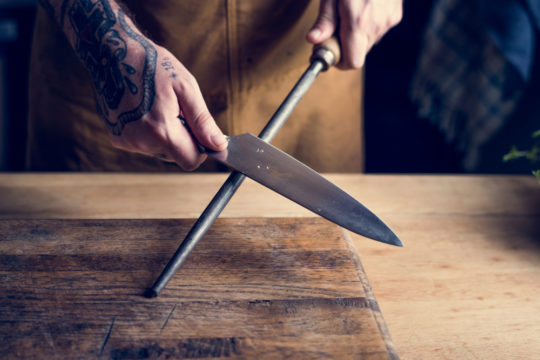
A serrated knife
Also known as a bread knife, a serrated knife is essential to have – but not one with overly coarse or extremely pointy serrations. What you want to see is a gentle wave along the edge. Otherwise, you will just saw everything to pieces, which is a shame. With a good serrated knife, you can easily and safely cut bread as well as soft foods such as tomatoes.
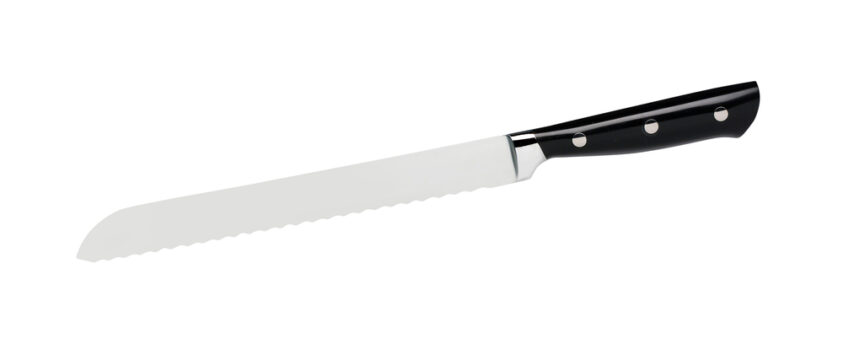
A paring knife
Okay, opinions differ on whether your third indispensable knife should be a utility knife or a paring knife. A utility knife looks like a small chef’s knife, whereas a paring knife has a straight edge. You can cut small things perfectly well with both, but a paring knife is a little easier for peeling, while a utility knife cuts a little more smoothly. Fair enough. As far as we are concerned, you may have both, and that way you have secretly managed to sneak yet another little knife into your kitchen drawer…
Read also:
- Is this controversial device exactly what your knives need?
- This is what you need to sharpen your knife properly
- Are you still throwing away the broccoli stalk?! Shame on you!


