




Researchers baffled: young people are drinking less and less
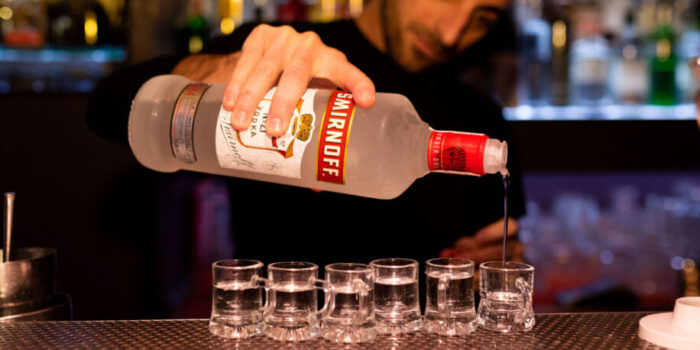
Boomers, Gen X, Millennials… They all enjoy a drink, you know. As a Millennial, I can confirm this; although back then you had to be sixteen to buy alcohol, I bought mixed drinks at fourteen with a CJP card bearing an altered date of birth. What turns out? Gen Z is taking a very different approach.

It is clear: I was drinking from an early age, and things were not much different among the people around me. For Gen Z — born between 1995 and 2010 — things are very different. But the big question remains unanswered: why?
‘Sober-curious’ Gen Z
According to research, Gen Z is more likely to reach for a drink as a reward or on special occasions, rather than seeing it as a standard part of life — as older generations do. Michael Livingston, who works at the National Drug Research Institute at Curtin University, wrote an entire essay about it. Together with his colleagues, he investigated the phenomenon of drinking less. The researchers were faced with a surprising outcome: it differs enormously by sex.
They found that it is mainly the male side of Gen Z that has started drinking less; among women, the difference was smaller. And that is a first in several decades, because people used to talk about a gender gap when it came to alcohol consumption: it was supposedly very different depending on sex, but that gap is becoming smaller and smaller. In other words: whereas men used to be clearly ahead when it came to drinking, there is no longer such a significant difference.
But why are young people drinking less and less?
The researchers are still baffled, however, because what is the reason for drinking less? They speculate that ‘hangxiety’ could be making them less keen to drink (an anxious feeling when you have a hangover), that Gen Z may be more focused on diet and health, or that they would rather choose fewer calories (which may also explain why Hard Seltzer is such a success).
This phenomenon is visible all over the world, by the way: in Sweden, for example, remarkably few young people ended up in hospital because of alcohol-related issues. Only the beer, wine and liqueur brands are baffled: how can they get young people drinking again?!
Livingston and his colleagues do not have the answer yet either, but there will undoubtedly be plenty more research into this in the coming years.
Read also:
- A non-alcoholic beer after exercising: does it actually help with your recovery?
- With the non-alcoholic spirit Selati, you can make an incredible Daiquiri or Old Fashioned
- Guinness is launching non-alcoholic beer
Source: IFLScience


