



Shrinkflation at Lay’s: this is what’s really behind that cardboard box
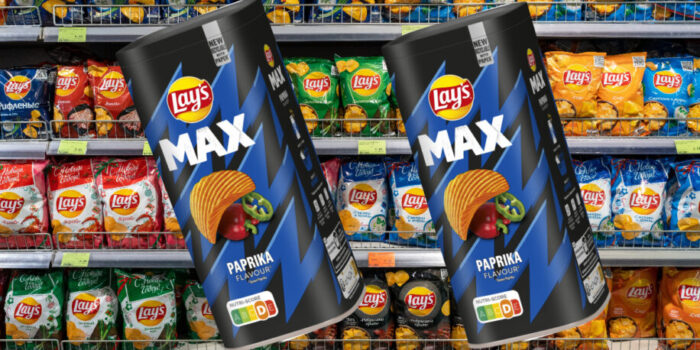
Lay’s is under fire. The well-known crisp maker has quietly introduced new packaging: cardboard boxes instead of plastic bags. Sounds sustainable, but that’s not the whole story. What’s the deal? You get fewer crisps for more money. And Lay’s ‘forgot’ to mention that. We simply call it shrinkflation.

What exactly is shrinkflation?
Shrinkflation is the trick whereby you get less product for the same – or even a higher – price. Producers adjust packaging, shave off a few grams, but keep the price the same or even raise it. This quietly increases the price per kilo without you noticing. And it happens more often than you think: from peanut butter to toilet paper and now your favourite crisps too.
Crisps in a box: better for the environment?
Lay’s is now packaging crisps in a cardboard box. Sounds nicely sustainable, right? Well… not exactly. According to Dirk de Groot of Zwerfinator, who examined the true nature of the crisp box, this box actually contains more plastic and aluminium than the regular crisp bag. FSC certification? Nowhere to be found. In short: this cardboard packaging reeks of greenwashed fake sustainability.
Fewer crisps, higher price
And then there’s the contents. Whereas you previously bought a 335-gram bag of paprika crisps, this was quietly reduced to 300 grams in 2023. The price per kilo? It rose by 36.3%. The amount of crisps has been reduced here, while the price per kilo has risen considerably. You now pay no less than 19 euros for crisps in a box and just under 13 euros for crisps in plastic.
Crispier crisps
Lay’s producer PepsiCo defends the price increase by pointing to the ‘sturdier, quieter and resealable’ box. This would result in crispier crisps that stay fresh for longer. Meanwhile, the contents keep shrinking and the price keeps rising.
Lay’s: ‘Consumers want this’ – really?
PepsiCo says consumers asked for this cardboard box. Foodwatch director Nicole van Gemert – aka the food watchdog – called this a laughable argument on Radio 1: As if someone calls Lay’s to ask, ‘Could you put my crisps in a little box?’
Meanwhile, Dutch supermarkets remain silent about the box, while in Belgium supermarkets such as Delhaize, Colruyt and Aldi are deliberately not putting the product on their shelves because of the high price, according to Belgian newspapers.
Deception as a business model
What’s going wrong? Transparency. If a package says ‘100 grams extra!’, the marketing machine goes into overdrive. But if there’s less inside and the price goes up, nothing is said. That doesn’t feel fair. And it isn’t.
Foodwatch believes that price increases and reductions in contents should be communicated just as clearly as price reductions or larger packages. Think slogans such as:
- “Temporarily 50 grams less!”
- “Unfortunately more expensive due to inflation!”
Time for action: sign the petition
Foodwatch has launched an online campaign to encourage supermarkets and producers to be more open. France now has a law requiring transparency about changes to product contents. Why hasn’t that happened here yet?
More than 11,500 consumers have now signed the petition. Do you also want food manufacturers to be honest about what’s in your shopping basket? Sign Foodwatch’s petition.


