


These 11 etiquette rules you don’t know yet
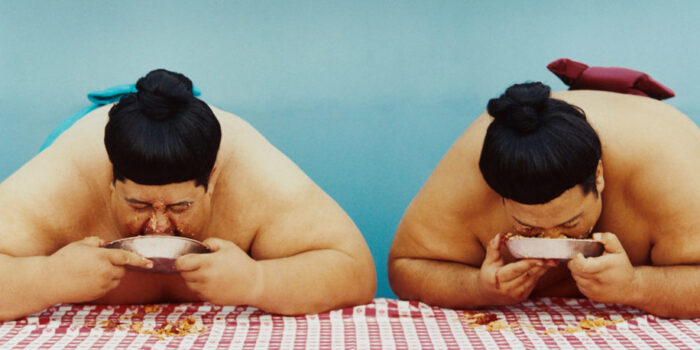
Think you were brought up well when it comes to table manners – not licking your knife, not resting your elbows on the table, you know the drill – then you haven’t read these etiquette rules yet. Myka Meier, who lists them all, is no ordinary expert: she advised during the filming of Downton Abbey and worked at the British royal court. Pay attention and take notes; these are mistakes you won’t want to make again.

#1 Leave the menu on the table
Whether it’s a large menu you have to choose from or a small card listing the dishes being served: the menu always stays on the table. Whether you leave it flat on the table while browsing through it or tilt it slightly towards you, it should always remain in contact with the table. So don’t hide behind the card or lift it to your nose to read the wine recommendations properly; no, just leave that card lying nicely.
#2 Drink from the same spot on the wine glass
When you take a sip from your wine or water glass, keep drinking from that same spot. So don’t slobber all around the rim of the glass; put your glass down with the spot where your lips touched it facing you. That way, you ensure your glass stays as clean as possible. And of course, you don’t hold a wine glass by the bowl, but by the stem—though you knew that already, of course.
#3 Toast without clinking the glasses
That clink-clink-clack of glasses hitting each other is really not polite. No, if you want to toast, simply hold your glass in the air and look at the people you’re toasting with. That’s all. You could damage the glasses by banging them together, and making a lot of noise at a dinner party isn’t polite.
#4 No oyster fork needed
When oysters are served, you don’t need to ask for a fork. If there isn’t a fork beside them, they’ve already been loosened and you can simply slurp them down. It’s a matter of trust, because if the oyster is still attached—even just slightly—it’ll be dangling from your chin, bubbling away. Daredevil!
#5 Keep your plate tidy
Keep the rim of your plate as clean and tidy as possible. The serving staff will need to hold your plate there when clearing it away, and it’s not pleasant if they end up with their thumb in the mayonnaise or sea buckthorn salsa.
#6 The top left is where scraps go
Eating fish with bones? Found a bone in your meat? Is there something on your plate that you—heaven forbid—don’t like? Move it to the top-left corner of your plate, because that’s the designated spot for anything you may not be eating.
#7 Bread on your side plate
The small plate to the left of your dinner plate is meant for your bread roll. Leave it there; you’re not supposed to lift the whole roll to your mouth to take a bite, or wave it around in your hand. No, well-mannered people tear or break off a piece of bread, spread butter on it or dip it in olive oil, and then bring it to their mouth. So don’t butter the entire slice either, no, no. Or were you also going to ask for chocolate sprinkles?
#8 Napkin on your lap
Take your napkin from the table, fold it in half down the middle so you have a long, narrow napkin, and place it on your lap with the fold facing you. If you need to get up, excuse yourself to your dining companion and place your napkin on your chair if you intend to continue eating, or put it next to your plate if you’re finished and leaving.
#9 Where are you going?
If you get up to go to the restroom, you don’t need to tell your dining companions that. Simply say, ‘excuse me,’ or ‘may I be excused?’ and that’s it.
#10 ‘Enjoy your meal?’ No!
Another thing: saying ‘enjoy your meal’ before you start eating? No, that’s not appropriate. It sounds as though you’re wondering whether the food is actually tasty. Think you’re being extra polite by wishing everyone ‘bon appétit’? You’re wrong there too. According to the etiquette expert, you’re implicitly saying that you would eat anything put in front of you. What should you say instead? ‘Please enjoy,’ suggests Ms Meier, so in Dutch that would be ‘geniet ervan’.
#11 Leave a bite behind
You’re probably enjoying your meal, and then suddenly your entire plate is empty. Wrong, incorrect, naughty: you should always leave a bite behind. It indicates that you enjoyed the meal and that it was enough. If the host sees nothing but empty plates heading to the dishwasher, they might conclude that you’re still hungry.
Read also:
- To drink or not to drink: what’s the etiquette for that bottle of wine you brought?
- Etiquette for sharing food
- At the table with the Royal Family: each to their own suckling pig
Source: My Recipes


