


This Fruit Contains the Most Vitamin C (and No, It’s Not a Lemon)
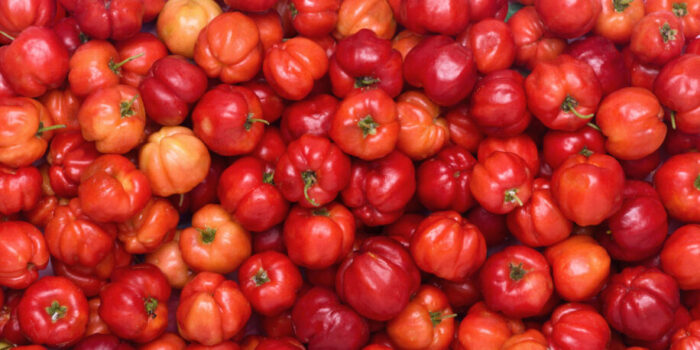
If you need an extra dose of vitamin C, you’ll probably squeeze some oranges, scoop out a grapefruit or make hot tea with lemon. But there’s a fruit that contains much more vitamin C than citrus fruit. What is it? And why is it that many people have never even heard of it?

Guava (168 mg of vitamin C per 100 grams) and blueberries (128 mg per 100 grams) are vitamin C powerhouses. Kiwis are always a good choice too, with 65 mg of vitamin C per 100 grams. But acerola easily outdoes them all: no less than 1,685 mg of vitamin C per 100 grams!
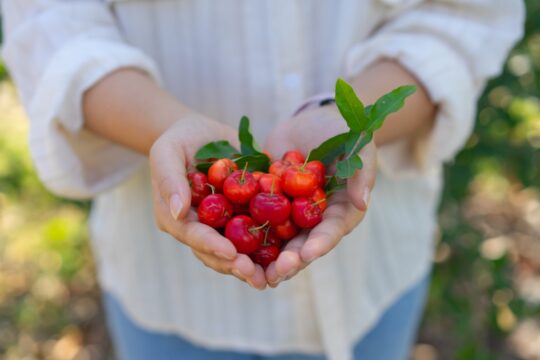
What is acerola?
Acerola, also known as the Barbados cherry, is a fruit native to the tropical regions of South America, especially Brazil. As the name suggests, it looks like a cherry, but with orange or red skin and ridges. Its sweet-and-sour flavor makes it delicious in yogurt or eaten fresh. Even acerola jam, desserts and cake are healthy, because no other fruit contains this much vitamin C.
Why is it good for you?
This small berry is a powerful superfood because of its extremely high concentration of vitamin C—as much as 30 to 50 times more than an orange. But that’s not all. In addition to vitamin C, acerola also contains other important nutrients such as vitamins A, B1, B2 and B3, folic acid, iron, calcium and antioxidants.
Benefits of acerola:
- Strengthens the immune system: Because of its high vitamin C content, acerola helps strengthen your immune defenses, better protecting your body against illnesses such as colds and flu.
- Antioxidant: Acerola is rich in antioxidants, which help neutralize harmful free radicals in your body. This reduces cell damage and may contribute to healthier skin.
- Supports skin health: The vitamin C in acerola stimulates collagen production, which is essential for elastic, healthy skin.
- Energy boost: Vitamins such as B1, B2 and B3 help convert food into energy, making you feel fitter.
Buying acerola
Of course, you now want to know right away: where can I buy this superfood? The downside is that it isn’t available as a standalone fruit in the Netherlands. That’s also why many people have never heard of it. You won’t find it in supermarkets; the South American cherries are too delicate to package and transport. But there’s good news for that vitamin boost: acerola is available here in other forms, such as juice, powder or supplements. In the Netherlands, you can find acerola at:
- Health food stores: Think of stores such as Holland & Barrett and Ekoplaza, where you can buy various acerola supplements, from juice, shots and tea to chewable tablets and powders.
- Online stores: Webshops such as Bol.com and Vitaminstore also sell acerola products, from capsules to powder.
Not exotic, but good for you
And did you know that vegetables also contain vitamin C? Brussels sprouts (150 mg) and kale (100 mg) are top choices. Nothing exotic about them, then, but they do contain plenty of vitamins. So if you’ve come down with the flu and don’t have any acerola nearby, enjoy some Brussels sprouts. More vitamin C than oranges (50 mg) or lemons (45 mg).


