



This Is How Ridiculously Unhealthy American School Lunches Are (And Just Look at France!)
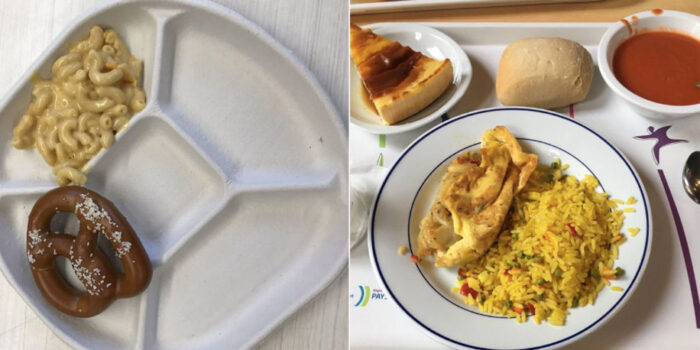
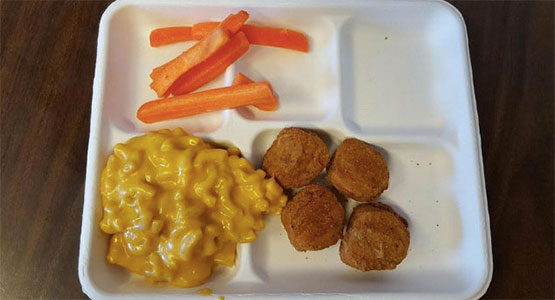
At FavorFlav, we love having a snack every now and then—we even have our own Snackspert to tell us which fried snack to avoid and which brown fruit to prepare. But we love variety, and we completely understand that every now and then you also have to finish your plate of Brussels sprouts, or want to put a delicious healthy salad on the table. When we saw these American school lunches, our jaws dropped—and not because we wanted to fit in an extra tasty burger. How miserable!

Where are the vegetables and fruit? And all the vitamins kids need to play sports, play and learn at school? There’s no money for that, says Food Revolution Network. The average budget of the National School Lunch Program per schoolchild per day for a hot lunch is 1 dollar 30, or 1 euro 15. And because school lunch is the main meal of the day for many children, Food Revolution Network is committed to improving school lunches.
-
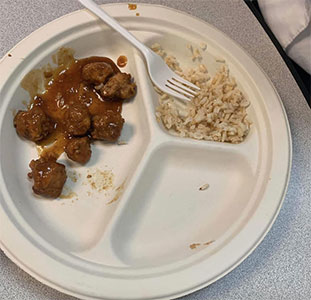
- Geen vitamine te bekennen.
-


- Lijkt op de lunch van Fyre Festival.
-
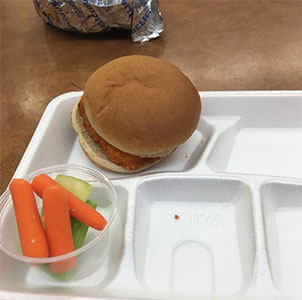

- Worteltjes als groente zijn populair, kennelijk.
-


- Hier ontbreekt nog wat. Toch?
-
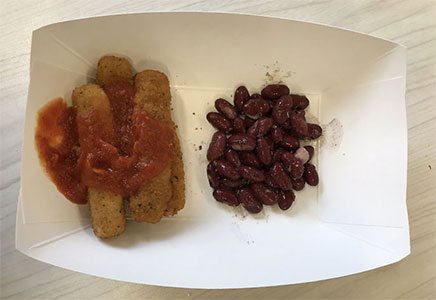

- Zijn dat vissticks?
-
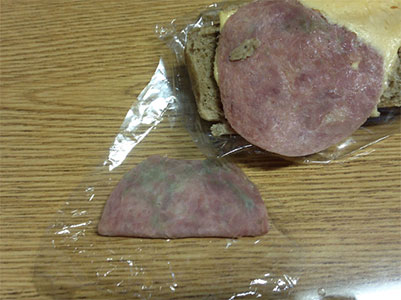

- Onbeschrijfelijk broodje.
-
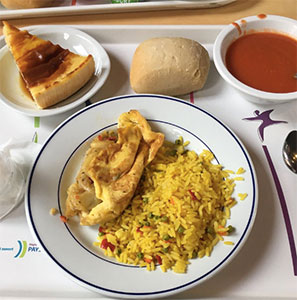

- Een schoollunch in Frankrijk, om even te vergelijken.
-
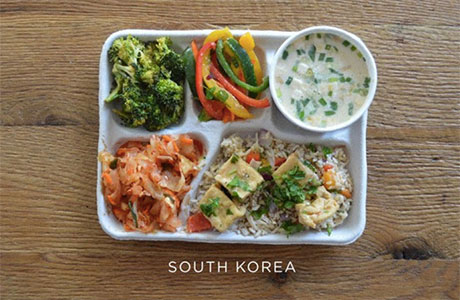

- In Zuid-Korea volop kleur en groente.
-
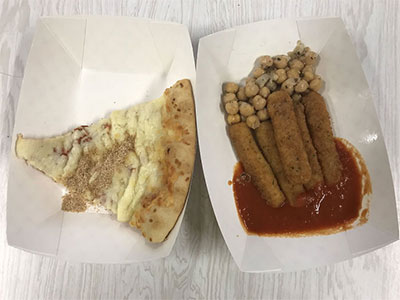

- Pizza!
-
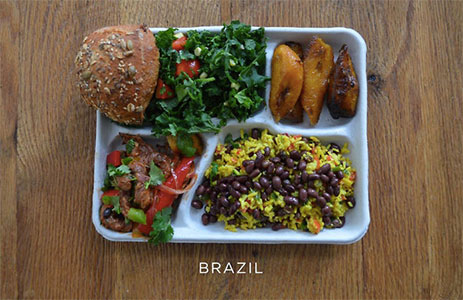

- Veel groente in Brazilië.
-
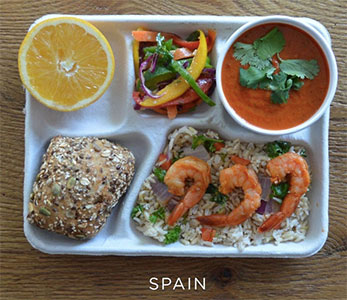

- Spanje: garnalen bij de lunch! Is dat gazpacho rechtsboven?
French fries count as a vegetable
Research in 2009 showed that French fries made up half of all the vegetables eaten per day by children between the ages of 2 and 19. French fries as a vegetable—surely that was made up by a minor! School lunches have improved somewhat since 2009: less salt, more whole-grain products and sometimes even fruit. But the cafeteria menu still often includes potato croquettes, cheese pizza and corn dogs.
Chocolate milk with the meal
Good news: through the Department of Agriculture, schools can get free vegetables, fruit and dairy products. Research by Food Revolution Network shows that it’s mainly dairy. More specifically: chocolate milk (from brown-spotted cows?), which the children drink with their meals. Six sugar cubes per cup, so do the math. Food Revolution Network is far from finished: when they compare lunch at American schools with lunches at schools in countries such as Brazil, Korea and France, there’s very little for American schoolchildren to look forward to.
Revolution
Improving those school lunches isn’t just a matter of increasing the budget, says the network. They are looking forward to a broader discussion about healthy eating and nutrition. Important enough, because better school lunches can improve academic performance: healthy food helps with better concentration, a better memory and better health. Less obesity among young people is another nice side effect of healthier lunches. Moreover: habits learned young last a lifetime, so children who learn to eat healthily will maintain a better eating pattern as adults too.
Also read:
- 6 common mistakes when roasting vegetables
- Spice up your office lunch
- 15 tips & tricks from culinary school that you can use right away
Photos: BoredPanda


