



Watch Out for This Sneaky Marketing Trick at the Supermarket
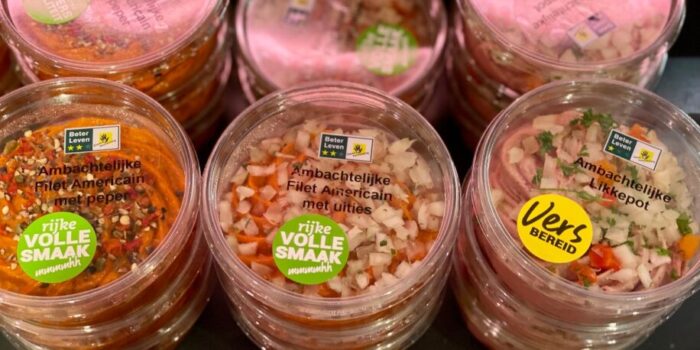
‘Artisanal’, ‘Made with natural ingredients’, ‘Freshly prepared’: many people respond positively to these kinds of terms on packaging. But what do such terms actually mean? And are manufacturers allowed to put them on their packaging whenever they please? Kassa took a closer look at the subject, and it turns out that it’s usually a marketing trick we all fall for hook, line and sinker.

Fresh fish? You’re being deceived right before your eyes. Because that ‘fresh fish’ you see at the supermarket has often simply been frozen. Just turn the packaging over. Does it say ‘defrosted’? There you have it. And what about those artisanal poffertjes, with a friendly old granny holding a ladle on the packaging? Just check the ingredients list. Flavourings, emulsifier, milk powder… Believe us, that sweet granny really doesn’t have those in her kitchen cupboard. That supposedly artisanal salad is also full of E-numbers. Ridiculous, really, that such products are sold in supermarkets.
Paying more for ‘artisanal’
Terms like ‘artisanal’ and ‘fresh’ tempt us. They make us believe that the product was picked fresh from the land that very morning. Or that it was handmade according to centuries-old traditions by craftspeople who do nothing else all day. While the product often ‘simply’ comes from a factory, and no fresh ingredients have been used at all. The annoying thing is that we usually pay quite a bit more for such products. We fall for the temptation and are therefore willing to pay more for them. Bizarre.
Misleading or not?
But is all of this actually allowed? Misleading consumers is not permitted. As a manufacturer, you cannot promise consumers things that you fail to deliver. The problem with ‘artisanal’, ‘fresh’ and ‘natural’ is that there are no legal definitions for these terms. Everyone, from manufacturer to consumer, can give such terms their own meaning. Perhaps artisanal means something completely different to you than it does to me. And what exactly is fresh? Misleading only occurs when the consumer’s expectation differs from reality. But because there are no legal definitions for these terms and consumers’ expectations differ from product to product, there is no inherent deception. So says Babs van der Staak, spokesperson for the Consumentenbond, to Kassa.
The Advertising Code Committee
The Advertising Code Committee (RCC) assesses situations in which misleading advertising may be involved. If the investigation finds that consumers have been misled, the manufacturer is reprimanded. If the manufacturer fails to comply with the RCC’s ruling, the committee can impose a fine on the company. With terms like ‘artisanal’, ‘fresh’ and ‘natural’, things are therefore complicated. The definitions are not legally established, so manufacturers may continue printing them on their packaging.
Tip from the Consumentenbond
We’ve said it before: let’s stop calling everything artisanal. Or fresh, or natural. But until manufacturers actually stop doing so, we need to take action ourselves. According to Babs van der Staak, it’s best to ignore the terms on the front of the packaging. Great that it says artisanal or fresh, but we should do nothing with that information. Instead, check the legally required information on the back of the packaging. The ingredients and nutritional values provide a much more realistic picture of the product. Then decide for yourself whether it meets your expectations, Babs advises Kassa. So it’s perfectly fine if you still buy that pack of ‘artisanal’ poffertjes with the cute granny on it. But know that there’s very little artisanal about granny’s handiwork.
Also read:
- This TikTok shows how we are being misled at the supermarket
- 15x packages that are so misleading it’s almost criminal
- We are being seriously misled by Knorr’s vegetable pastas
Main image: Albert Heijn, source: BNN Vara/Kassa


