


What’s in supermarket tea? And is that expensive yoga tea really that healthy?
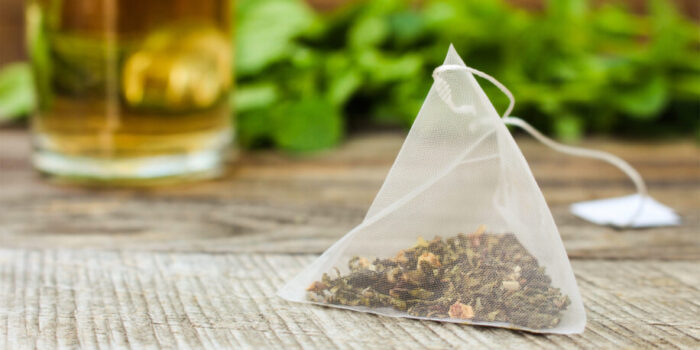
The tea aisle in the supermarket seems to be expanding all the time, with a range that probably aims to appeal to different types of tea drinkers: classic brands for when you’re having a cup of tea with a biscuit at your grandparents’ house, brightly colored, trendily designed boxes for yoga fans, among others, and eccentric offerings such as ‘strawberries-and-cream-flavored’ tea for, um, people who don’t actually like tea that much..? And is all that tea actually healthy?

As long as you don’t add spoonfuls of sugar, a cup of tea is certainly a healthier choice than a glass of cola, of course. But if it already has a healthy ‘image’, the question is how healthy tea really is. Volkskrant journalist Loethe Olthuis wrote an interesting article about it.
Three hundred boxes of tea
She set out to answer the question ‘What’s actually in the tea you buy at the supermarket?’ and highlighted a number of striking misconceptions. Not surprising, considering there are as many as three hundred types of tea on the shelves, and consumers may sometimes no longer be able to see the forest for the trees.
What’s in your cup?
So it’s not all ‘tea’. Only when the leaves come from the ‘official’ tea plant Camellia sinensis can you call it real tea, and this can then be green or black tea. Olthuis: ‘Fruit tea is usually black tea with a flavor added, and that flavor often comes from an aroma. These may be minuscule sugar particles with synthetic flavorings, or “natural” aromas. Most of these are made through the natural fermentation of genetically modified yeasts, meaning any fruit flavor you want can be manufactured… Aromas are much cheaper than real fruit (some teas contain 1 to 3 percent fruit pieces, not enough to provide flavor) and conceal the fact that most supermarket tea is completely tasteless.’
Healthy or not?
According to Olthuis, the aromas mentioned are not necessarily unhealthy. But they are misleading: ‘many mango teas have never seen a mango’. Is herbal tea then (surely) healthier? Nope. The Health Council states that only real (black or green) tea has scientifically substantiated health benefits. Drinking 3 to 5 cups of green or black tea a day reduces the risk of heart attacks, strokes and type 2 diabetes. The effects of herbal tea are much harder to assess because the blends vary so much, and there is no scientific evidence whatsoever for many health claims concerning specific ingredients (such as ginger or turmeric).
Be careful
With some types of herbal tea, you should even be extra cautious. Licorice root, for example, can raise your blood pressure and is found in many herbal tea blends, such as spiced tea. Tea made from or containing fennel, cinnamon and anise should also only be consumed in moderation because they contain certain plant toxins. And St. John’s wort can reduce the effectiveness of certain medications.
Conclusion
In short: you shouldn’t expect miracles from herbal tea. Without sugar, tea is of course a good, warming, calorie-free drink (or try making a refreshing iced tea with ginger tea and lemon), but only with the most ‘ordinary’ black or green tea are you making a choice that is both natural and healthy.
Also read:
- 6 top hacks for your used tea bag
- Lidl recalls hemp tea: it contains too much weed (haha)
- Which temperature is perfect for which tea?
Source: De Volkskrant


