



This Is How You Stock Your Japanese Pantry
Diving into a new cuisine can be overwhelming. Recipes call for spices you don’t have at home, or ask you to combine them or use them differently than you’re used to. Once you’ve got the perfect pantry in order, you’ll be effortlessly whipping up new recipes. FavorFlav helps you get started with the basic ingredients for each cuisine. This time, one of our favorites: Japan.

Japanese cuisine is known for precision. From the perfect rice for sushi, which takes chefs years to master, to a perfectly fried tonkatsu. Everything is perfectly balanced.

Miso
A Japanese meal isn’t complete without a bowl of miso soup, often filled with just a few cubes of tofu and topped with spring onion. The fermented soybean paste has since become popular all over the world and is used for many more purposes than just soup. As a marinade for eggplant, for example, as a base for a sauce served with mackerel, or as a glaze over kiritanpo (grilled rice on a stick). And tekka miso gives your Asian dishes a fantastic umami flavor—get it in your pantry quickly!
Kombu + katsuobushi = dashi
If there’s a smell that takes me back to Japan, it’s the smell of dashi. This broth is made from kombu (dried kelp) and katsuobushi (dried and shaved bonito flakes). Making dashi yourself is easy, but ready-made powders and stock cubes are also available. I make sure I always have both basic ingredients at home, as they feature often in Japanese cuisine. Bonito flakes give dishes a distinctive smoky flavor and are also delicious sprinkled over rice.
Rice
The foundation of everything. The perfect base for fish in the form of nigiri, don (Japanese for rice bowl), or as a side with your elaborate meal. A round short-grain rice is used, similar to risotto rice. I have to admit that I’ve sometimes substituted one for the other. Luckily, Japanese short-grain rice is available at regular supermarkets, sometimes under the name sushi rice.
Wasabi
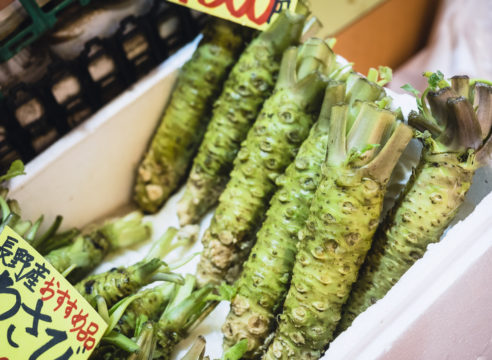
If you can get your hands on a fresh wasabi root, don’t hesitate for a second—put it in your bag. After paying, of course. The flavor is fresher and lighter than the paste you normally encounter. The wasabi served with your sushi is completely fake and less delicious, but good enough with our sushi, in a dressing, or for making wasabi mayonnaise.
Soy sauce
There’s the dark, light, or tamari (even lighter) variety. Recipes often call for a specific type, but if you don’t feel like expanding your soy sauce collection, Kikkoman soy sauce is a reliable all-rounder.
Sake
Japanese alcohol made from rice, delicious to drink, but also excellent for cooking. It’s often used in marinades and sauces. If you’re going to cook with it, you don’t need to buy the very best quality, but do use something you would drink as well. And by all means, drink it too—especially while cooking.
Nori
For rolling sushi, as a topping on ramen, or as a crispy snack. You’ve got good-quality roasted seaweed when the sheets are shiny and easy to break.
Furikake
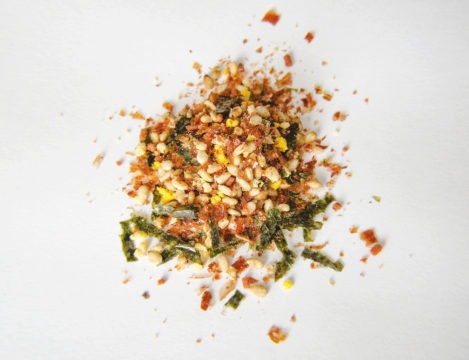
A seasoning mix to sprinkle over rice, made from various ingredients. It almost always contains sesame seeds, crumbled nori, and bonito flakes. You can often buy several varieties at an Asian grocery store, and it has a real umami flavor. I put furikake on absolutely everything. Fries, popcorn, grilled corn on the cob with butter? All better with furikake on top. Also delicious on (raw) fish.
Panko
The ultimate breadcrumb. Coarser than standard breadcrumbs, and besides being useful in many Japanese dishes—for giving tonkatsu its crispy exterior, for example—it’s also our breadcrumb of choice in Western dishes. Mixed into meatballs or used as a coating for shrimp croquettes, panko is your best friend.
Shichimi togarashi (Japanese seven spice)
You may already know Chinese five spice; Japanese seven spice is generally a little less familiar. It contains, among other things, Sichuan pepper, roasted orange peel, sesame seeds, and ginger powder. Spicy in a distinctly non-Japanese way, and delicious for seasoning meat.
Kewpie mayonnaise
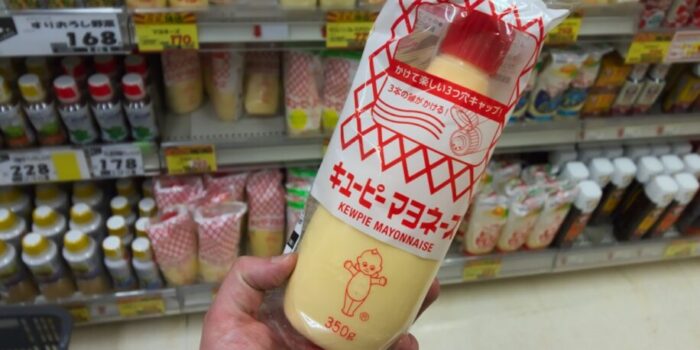
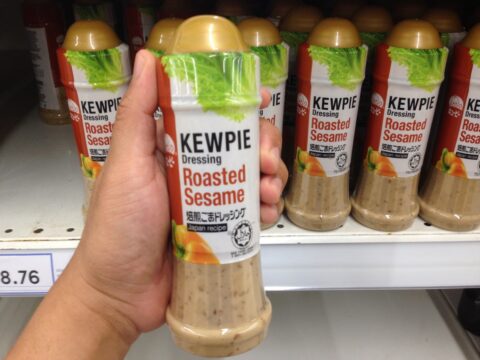
You pay around €4 for a tube, which may seem a little extravagant. But as soon as you taste this mayonnaise, you won’t want anything else. Kewpie mayonnaise (with two n’s) is much tangier than average mayo, making it perfect on rich foods such as okonomiyaki and takoyaki. The secret ingredient may also be why we like it so much: it contains MSG. This makes the mayo extra addictive and full of umami. And the bottle with the chubby baby on it looks cute in the fridge too. Another irresistible Kewpie product is the roasted sesame sauce. Delicious over salmon, irresistible over chicken, and essential in a good poke bowl. I can simply buy it at my local Jumbo. And honestly: this roasted sesame sauce from Kewpie is addictively delicious.
Mirin
A sweet rice wine that is widely used in marinades and sauces. The famous teriyaki, for example, wouldn’t exist without mirin. Note: mirin is not rice vinegar. They’re often confused and substituted for one another. But make sure you don’t make that mistake.
Rice vinegar
Rice vinegar isn’t sweet but sour. It is vinegar, after all. It’s used to season sushi rice. It’s slightly sweeter and milder than standard white or red wine vinegar, and is also perfect for pickling onions.
Noodles
Don’t eat rice? Then you eat noodles. Soba (made from buckwheat), udon (thick wheat noodles that work well in soup), or ramen. Make sure you have all of them at home, then you can go in any direction. Check out our guide to buying noodles here. Which noodle belongs in which dish?
Matcha
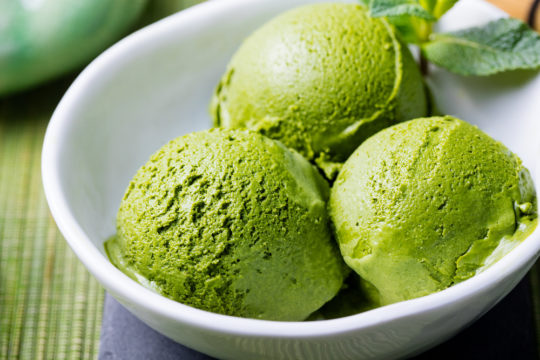
In Japan, they have a green version of everything. Ice cream, waffles, pancakes… You can add matcha to anything. The green powder was originally intended for making tea. Stock up generously, so you can drink tea while baking matcha treats.
Yuzu
A Japanese citrus fruit that is delicious with fish but also in desserts. Yuzu cake, anyone? It tastes a little like a mix of lemon, grapefruit, and mandarin. The fruit itself is hard to find here, but you can buy the juice in bottles at an Asian grocery store.
Ponzu
I have to admit that I once bought a bottle of ponzu that has been gathering dust on my kitchen shelf ever since. But it is used frequently in Japanese cuisine after all. As a dipping sauce or, once again, for marinades and dressings. It’s a mix of rice vinegar, rice wine, and bonito flakes. You can also buy shoyu ponzu, in which case the sauce is mixed with soy sauce.
Read also:
- Recipe: herb pizza with salmon and wasabi mayonnaise
- Chicken sashimi exists—and this is what it tastes like
- Shoeshi: this sushi chef makes fantastic edible sushi sneakers


