


10x tips and secrets from chefs that will make you a better home cook
As you know, chefs are like vessels full of knowledge, information and tricks, and you can count yourself lucky if you manage to prise a few secrets from them that make cooking at home more fun, interesting or easier. Things they learned at culinary school or picked up during their years in professional kitchens, for example. Here are a few really good tips!

Because even if you only manage to apply one of them, you’ll probably get a lot of enjoyment out of it. You can make your dishes tastier, your workflow easier, your meal planning more affordable—or a combination of all three! Read and learn from the pros:
A pinch of sugar
Not every Italian will approve, but did you know that some tomato-based sauces and soups can be improved with a pinch of sugar? Sugar balances the acidity of tomatoes, and especially when you’re using fresh tomatoes that may not be perfectly ripe, a teaspoon of sugar added during cooking makes the flavour of the sauce or tomato soup fuller and less sharp.
Blanching
We’ve written about it before: you can learn to blanch. It’s the trick chefs use to keep cooked vegetables fresh and brilliantly green. Put a bowl of ice water next to the pot and a slotted spoon, and watch yourself go.
Make roux in advance
If you already have a few pans on the stove and enough on your mind, you may not feel like making roux on the spot for that gravy or sauce you’ll want later. So prepare ahead by making roux in advance: it keeps perfectly well in the fridge when stored airtight, and you can even freeze it. In an ice-cube tray, for example!
A well in your burger
To prevent homemade hamburger patties from puffing up and cracking while frying or grilling, many chefs use this trick: first slap the raw, shaped patty firmly onto your cutting board so that the air escapes. Then make a shallow well in the top with your thumb or the rounded side of a spoon. The centre will rise again during cooking, but you’ll end up with a more evenly shaped burger patty than if you hadn’t done this.

Brine that chicken
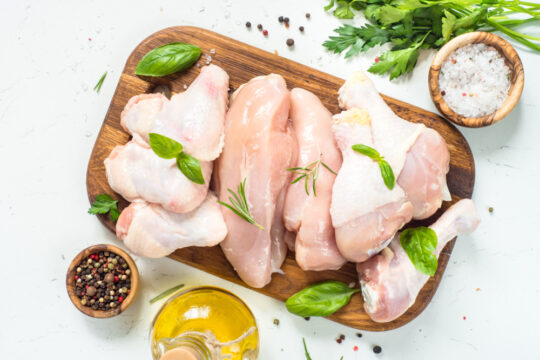
We’ve shared this tip before too, and it’s genuinely a good one: brine your chicken for at least half an hour before preparing it further. It makes a world of difference to the tenderness, and your chicken will taste so much better. And it’s not difficult at all! Read here why and how best to brine chicken.
Always buy a whole chicken
Buying a whole chicken really is the best budget tip, and it allows you to vary your meals much more. If the idea of cutting a chicken into usable pieces yourself (properly) puts you off, first read this article about why buying a whole chicken is a good idea: it also includes a link to a video in which Gordon Ramsay demonstrates how to do it.
Deglaze to your heart’s content
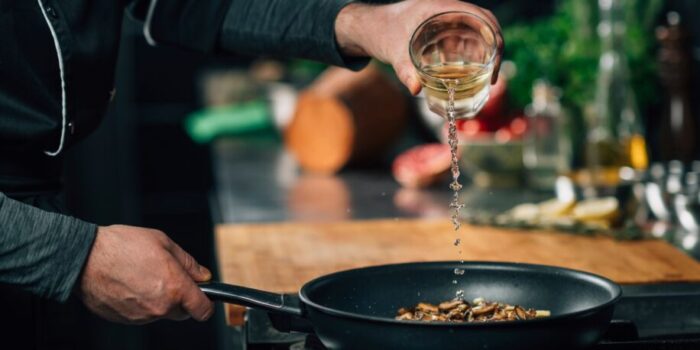
We can’t say it often enough: pan sauce is the best sauce there is, and you make it by deglazing: after frying in a skillet, loosen and continue cooking all those delicious browned bits and pieces left in the pan. All the rich flavours of, for example, the meat, chicken or fish you fried come back in that sauce, giving your dish more layers and making it even better.
Spices like it hot
No chef will randomly sprinkle cumin or sumac, or any other spice, into the pan or over a dish just before serving. To release the true, deep and fantastic flavours and aromas of spices, they need to be heated briefly. You can do this in a dry skillet, but also in butter or oil; in that case, you immediately have a fantastic spiced oil or chhonk for lentil soup, for example. Fresh green herbs are a different story: add them only at the end of cooking or just before serving the dish.
Salt from the start
If you add salt only at the very end, you taste a dish with salt in it. If you let salt join in from the beginning, the interplay of flavours develops better and your dish becomes more complex. It also means you can taste during cooking, every few steps, to see what’s needed. If you’re frying an onion as the base for something, for example, add a pinch of salt right away and build from there.

Chop chop
We’ve already mapped them out: the cutting techniques chefs use in restaurant kitchens. It looks incredibly professional, of course—that chopping with a chef’s knife that practically moves faster than your eyes can follow. And did you know that these different cutting techniques aren’t only intended to make the food look prettier? Above all, the point is that vegetables with different textures and cooking times are either ready at the same time, or that you can deliberately ‘play’ with contrasting textures. Try it at home!
Also read:
- How to make the very best hamburgers in 5 steps
- 9 cooking terms you need to know
- 10x tips from chefs for the very best sandwiches


