


Are these the chopsticks for a healthier future?
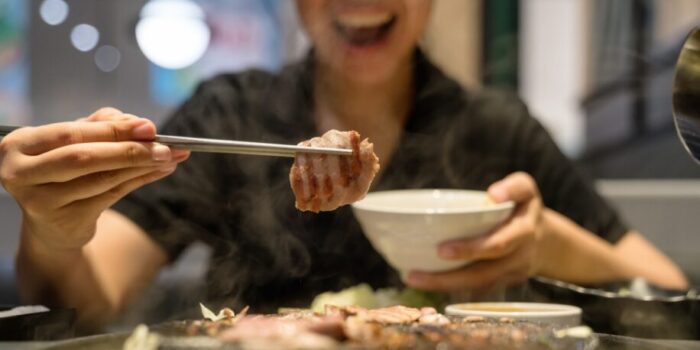
It seems to come straight out of a science-fiction story, but make no mistake: this is pure science and not fiction: in Japan, electric chopsticks have been invented that make food taste saltier than it actually is. Whaaaattt??

To make it completely futuristic, you are also connected to the chopsticks via wires running to a band around your wrist. And there are electric shocks involved. Scary? Well, this could very well be the food of the future, and the way it works is extremely interesting:
Plug it in
Researchers at Meiji University in Tokyo came up with this invention and developed it in collaboration with food and beverage manufacturer Kirin. Through electrical stimulation, the chopsticks can artificially create the taste of salt in the mouth. They are ‘controlled’ via a wire by a mini-computer in a wristband worn by the person eating. The device sends sodium ions from the food through the chopsticks into the mouth, where they create a (stronger) experience of tasting salt.
A little stimulation
A very low level of electricity is used here, “ – not enough to otherwise affect the human body – to adjust the function of ions such as sodium chloride and monosodium glutamate in order to make the experience of flavors in food stronger or weaker for a person,” Kirin explains. Clinical research showed that people following a low-salt diet experienced 1.5 times the salt content with these chopsticks compared with the amount actually present.
Seriously salty
Why was this invented specifically in Japan? Although the traditional Japanese diet (simply put: lots of fish and vegetables and few processed foods) is often praised for its health benefits, people there do eat a considerable amount of salt. Soy sauce and miso are pillars of Japanese cuisine, and the average adult consumes around 10 grams of salt per day. That is twice the guideline set by the World Health Organization. A diet containing a great deal of salt increases the risk of high blood pressure, which in turn is the biggest cause of heart attacks and strokes, according to the British newspaper The Guardian.
Suffering
According to the scientists, limiting salt intake is important to prevent these problems, but simply leaving salt out of food would mean, according to researcher Ai Sato, that “we would have to endure the pain of removing our favorite dishes from our lives, or endure eating boring food.” Look, Sato gets it; pain, pure pain—that’s what it would mean.
This invention could therefore make it easier to limit your salt intake without having to sacrifice flavor. The team says it is now developing the prototype further, so that the invention may already be available to consumers next year.
Also read:
- For all sushi lovers: this is what that second hole in the soy sauce bottle is for
- Soy sauce vs. tamari: what’s the difference?
- My husband ordered a cheese board in Japan (and it was a bad idea)
Source: The Guardian


