



Thirsty tales
Bordeaux vs Burgundy: 10 differences between the world-famous regions

Wines from Bordeaux and Burgundy are among the most prestigious and renowned wines in the world, but they differ considerably in terms of grape varieties, flavor profiles, production and terroir. Here are the main differences between Bordeaux and Burgundy wines.

door Sharon van Lokhorst
Bordeaux vs Burgundy
What is the difference between a winemaker in Burgundy and one in Bordeaux? “In Burgundy, he washes his Mercedes himself,” goes the joke. Despite its fame and wealth, Burgundy still has something simple and rustic about it. No grand châteaux here, but small domaines. And there are many more striking differences between these two régions très différentes.
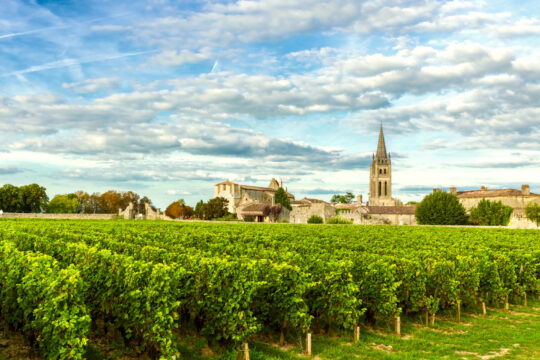
Bordeaux
- Large châteaux
- Blending; Bordeaux is best known for its blends of different grape varieties. Many wines are made from two or more grape varieties. Bordeaux wines generally have a full and complex flavor profile with firm tannins and good structure. Dark berries, cassis, plums, leather and spices are characteristic aromas.
- Keyword: style
- Main grape varieties: white: sauvignon blanc, sémillon, red: cabernet franc, cabernet sauvignon, merlot
- The Grand Cru classification refers to the winery. Bordeaux has a classification system that ranks the top châteaux.
- Vineyard area: 110,000 hectares
- Total production: 410 million hectoliters (in 2022)
- Most expensive wine: Château Angélus ‘Hommage à Elisabeth Bouchet’, Saint-Émilion, €1,367 (source: wine-searcher.com)
- Maritime climate: Bordeaux benefits from its proximity to the Atlantic Ocean. The terroir varies considerably within the region, with gravel-rich soils on the left bank (Médoc) and clay-limestone soils on the right bank (St. Emilion and Pomerol).
- Grapes: 89% red, 11% white.
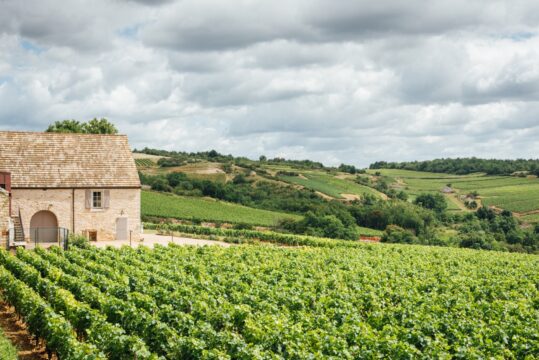
Burgundy
- Small domaines
- Blending different grape varieties is not done here. In Burgundy, the main red grape—pinot noir—is used to make wine from this grape alone. The same applies to white wines; they are made from chardonnay grapes. Single–variety wines, in other words; meaning they are made from one grape variety. Burgundy Chardonnays range from fresh and mineral in Chablis to rich and buttery in the Côte de Beaune.
- Keyword: terroir. The vineyards in Burgundy are often very small (frequently owned by different proprietors) and fragmented. The concept of terroir is extremely important here, with a focus on the specific character of each plot (climat).
- Main grape varieties: white: chardonnay, aligoté, red: pinot noir, gamay
- The Grand Cru classification refers to the vineyard. Burgundy has a complex classification system with regional wines, village wines, premier cru and grand cru wines.
- Vineyard area: 30,815 hectares
- Total production: 1.75 million hectoliters (in 2022)
- Most expensive wine: Leroy Domaine d’Auvenay Chevalier-Montrachet Grand Cru, Côte de Beaune, €21,147 (source: wine-searcher.com)
- Continental climate: Burgundy has a continental climate with cold winters and warm summers. The terroir in Burgundy is famous for its limestone-rich soils, especially in the Côte d’Or.
- Grapes: 45% red, 55% white.
Also read:


