



Corona crisis: will we still be able to drink rosé?

As soon as the sun starts shining, I open a bottle of rosé. Because no wine calls out for spring quite like rosé. But corona is also hitting the French vineyards. And it’s really still a question whether we’ll be able to drink wonderfully fresh Provence rosé later this year. French winemakers are panicking (and so am I, a little).

Provence rosé is unquestionably the crème de la crème among rosé wines. That beautiful salmon-pink colour alone… I love it – and I’m not the only one. Every year, a whopping 170 million bottles are shipped around the world! That was before corona. Now everything is different.
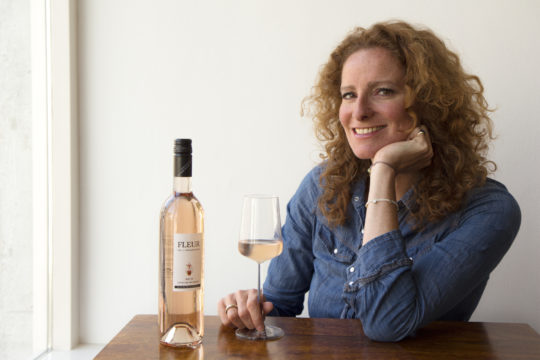
I spoke about it with Fleur de Groot, co-owner of family-run winery Domaine de l’Amaurigue in Provence. Her rosé, Fleur de l’Amaurigue, is one of my favourite rosés: wonderfully fruity with a lovely bitter note at the end. But whether it can be made this year…
French lockdown
Fleur: “Macron has declared a state of war. ‘C’est la guerre!‘, he said on TV. France is under a total lockdown ; until 25 April 2020, people are only allowed to go outside once or twice a day (there are various reasons why they may do so, including grocery shopping), and after 6:00 p.m. everyone must stay indoors, except when carrying out essential work. If you have a job that must continue, you need proof of that. The police and the army are enforcing this very strictly here. Neighbourhood borders are being monitored, just as is happening in Italy. And the fines for violations are severe.”
“Our winemaker Jean Marie is holding his breath. He is terrified that the seven-person team will decide not to come to the winery anymore out of fear of the coronavirus. And that would be disastrous. These are jobs you can’t do from home. Wine is an agricultural product, and you have to be in the vineyard for that. People always think the harvest is the most important part of winemaking, but the period before it is just as important: tending the vineyard. The more love and attention you give the vineyard, the better the eventual quality of the wine. It is crucial that winegrowers can get into the vineyard.”
Overgrowth and rot
The first buds appear on the vines in March, and it is essential that the vine and its branches are trained along wires (the ‘tying up’). This prevents overgrowth, which can lead to rot, for example. The vineyard also needs to be ploughed to keep the weeds under control. A month later, in April, the buds open and the first leaves appear on the vines. This is also the month in which excess leaves and branches must be pruned away, so that the grapes receive plenty of moisture and sunlight. A little further into the year, at the beginning of May, unwanted buds or shoots that threaten to overburden the vine must be removed. Fleur: “It’s already getting tricky now, but the longer it takes, the more disastrous it is for the eventual harvest.”

Bottling also at risk
March is also when the wines from the previous year, which are meant to be drunk young, are bottled. “Bottling is still officially allowed for now, but the team is terrified of standing together in one room, so the employees aren’t coming in. A bottling machine is very expensive, by the way, so (small) wineries often rent one for a short period. But because these companies have stopped renting out bottling machines, many wineries can’t bottle… That is a really major problem. Things are going wrong on so many levels right now.”

Best when young
Some wines, such as expensive examples from Bordeaux and Burgundy, only become more beautiful (read: more complex) after spending years gathering dust in a dark cellar. Rosé, on the other hand, with a few exceptions, is at its best when very young. “Making red and white wine isn’t a problem for us yet; we can leave those wines to rest perfectly well. But rosé – that has to happen now. You drink rosé wonderfully fresh and very young, because that’s when it tastes best: fruity and with delicious aromas. March through May is crucial in the rosé world; that’s when the wine list is created, and young rosé belongs on it. So we won’t be able to sell it later if this period lasts much longer. If it can be bottled at all, and if transport is allowed to take place.”
Stock up!
I’m firmly against stockpiling, but if I may give you a little tip, pick up a few bottles of that delicious rosé while you still can – you can do so, for example, at Nan. Lovely to drink on its own, but also great with lamb or a salade Niçoise. Have a virtual drink with your friends and toast to a life in the near future in which everything is normal in the world again. Santé.
Read also:


