



Greedflation is a thing, and we’re not happy about it
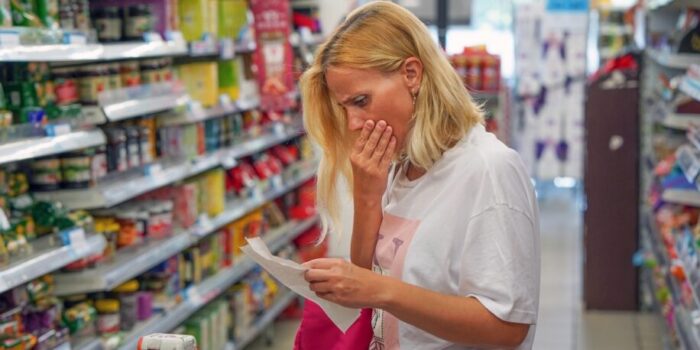
We can’t ignore it: inflation is hitting us. And hard, too. From supermarket pizzas to bread, we’ve been paying (too) much more for them for far too long. Sometimes that takes on painful forms. Shrinkflation has been going on for a while, but now there’s a new trend: greedflation. And it’s every bit as shameless.

You stand in the supermarket and get a shock. How can some products have become so much more expensive? Aren’t big companies simply ripping us off with their high prices?
Greedflation: this is what it means
In short: when there is inflation, companies also face higher costs. They have to pay more for energy and transportation, for example. They pass those higher costs on in the prices of their products. To us, that is. But some large companies raise their prices even more. They pass on not only the higher energy and transportation costs, but also increase the price of their product further. That way, they make more profit. So greedflation means that companies use inflation as a reason to raise their prices extra, allowing them to make more profit. Thanks a lot.
Billions of euros in extra profit
What does greedflation look like in concrete terms? The trade union FNV investigated this. Researcher Tijmen de Vos examined the figures of 49 companies listed on the Amsterdam stock exchange. He compared the figures from 2019 with those from 2022. Pre- and post-pandemic figures, in other words. The result: the profit margin rose from 7.5 percent in 2019 to 8.5 percent in 2022. The companies studied made no less than 12.5 billion euros more profit, of which 5.2 billion euros came from the higher profit margins. Bizarre.
Reasons for greedflation
There are several reasons why companies are raising their prices so dramatically. First of all, such large companies have enormous power in the market. There is still tremendous demand for many products, which means they can keep raising those prices. They also take advantage of consumers’ lack of knowledge: when producers raise their prices, many people don’t know whether this is because, for example, higher energy costs need to be passed on, or for some other reason. That remains unclear to many consumers. And so the companies cheerfully continue with those price increases.
And what about wages?
Do employees see any of that extra profit? In other words, do they get paid more because of it? Hardly, according to the FNV study. While the companies’ profits rose by an average of 36 percent, labor costs increased by only 12 percent. And, to put it mildly, the trade union isn’t happy about that. Because it means that—surprise!—it is mainly the directors and shareholders of those companies who benefit from the profits.
Nuances to the story
Before we start protesting furiously, there are some nuances to this story. Unilever, for example, says it sold its tea division in 2022 and therefore made quite a bit of extra profit. If it hadn’t done that, its profit would have been roughly the same as in 2021. Other companies say that in 2022 they mainly benefited from the strong dollar. Also good to know: the unions are already working hard to increase wages. In March, it emerged that wages had already risen by an average of 7 percent.
How we can (hopefully) get rid of greedflation
What we mainly want to know is: how do we get rid of greedflation? Stopping companies’ greedy behavior is not easy. Let’s hope the overheated economy cools down soon. The European Central Bank is raising interest rates in an attempt to bring inflation down, but what exactly will the effect be? To be continued…
Also read:
- These 10 countries have been hit hardest by food inflation
- McDonald’s is getting more expensive: this is what you now pay for your Big Mac
- Let’s compare: how much have supermarket prices risen since January?
Source: Het Parool


