



Shocking: these 5 supermarket products are most contaminated with illegal pesticides
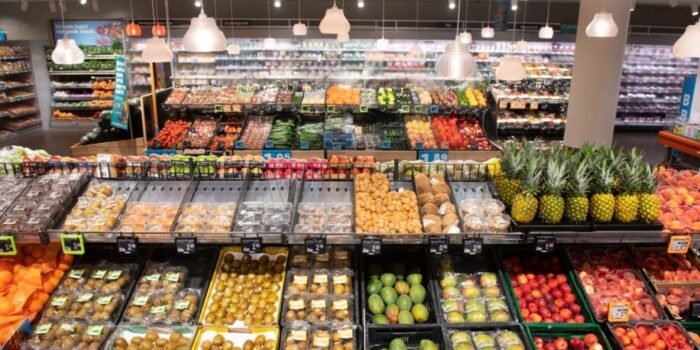
Doing a grocery shop at the supermarket is no longer as harmless as you always thought. Ultra-processed, misleading and even contaminated products are everywhere you look. Food watchdog Foodwatch is keeping a close eye on things. As the end of the year approaches, they have published a report exposing illegal pesticides in supermarkets. And to make matters even worse, there is an unjust trade system attached to it too…

Foodwatch has been working for much longer to draw attention to the current status of contaminated food products. This time too, the food watchdog requested the official food measurements from the Netherlands Food and Consumer Product Safety Authority (NVWA), so that it could analyse the pesticide residues it found. The results are presented in the research report ‘De Grote Gifroute in Beeld’. And they are—unfortunately not surprisingly, and once again—shocking.
Top 5 most contaminated supermarket products
The first shocking fact: 8% of supermarket products appear to be contaminated with pesticide residues banned in EU agriculture. These pesticides are prohibited here because they can harm human health or that of animals, such as birds and bees. Foodwatch found traces of illegal pesticides on food in almost every supermarket. In total, this involved 25 different types of residues (in supermarkets). This is the top 5 of the most contaminated supermarket products. The percentage after the product indicates the number of tests in which the illegal pesticide residues were found:
- Bananas: 78%
- Raisins: 65%
- Rice: 30%
- Potatoes: 21%
- Onions: 12%
That raisins are contaminated has been known for some time. It is downright shocking that apparently nothing is being done about it. According to Foodwatch, this seems mainly to be because Europe turns a blind eye to all sorts of things and appears to have a bizarre double standard in this area.
Turning a blind eye
This is how it works: quite a few pesticides have been banned in Europe, but the rules governing pesticides in imported food are different. Residues of pesticides that are banned in Europe may be present on imported products up to a Maximum Residue Level (MRL). For example, 17 types of illegal pesticide residues are permitted on apples and peaches (!). So instead of protecting European citizens and setting the MRL at zero, people are effectively playing with our health. Foodwatch reports that 6 of those 17 pesticides on apples are toxic to our reproductive system and 2 are carcinogenic. Bizarre, right?
The boomerang effect
In Europe, and also in the Netherlands, there now seems to be a genuine boomerang effect. Some of these pesticides are produced in Europe even though they are banned here, but ultimately end up back on our plates through imports. So we export banned pesticides to countries where they are not prohibited, and then import products containing residues of those pesticides. Foodwatch discovered that last year, 52 types of illegal pesticides were exported from the Netherlands to countries including China, Turkey and Colombia. Seven of these substances exported by the Netherlands were found here on imported food. This included Chinese tea, Turkish oranges and Colombian passion fruit, for example. We ship out banned pesticides and simply get them back. Like a boomerang.
Foodwatch sounds the alarm
So things are clearly not working properly in this area in Europe. Europe allows too much when it comes to pesticide residues in food, using outdated standards. Moreover, the NVWA does not appear to report all violations involving illegal pesticides in the European RASFF database (Rapid Alert System of Food and Feed). As a result, official warnings are often not issued. Foodwatch believes this system falls short and does not adequately protect our health. The food watchdog is clear: Europe must stop producing and exporting banned substances in Europe, our food must be free from illegal pesticide residues, and enforcement powers for food inspections must be strengthened. You should simply be able to eat a banana or a handful of raisins without a worry, shouldn’t you?
You can read Foodwatch’s full report here.
Also read:
- Bizarre: children’s fruit in supermarkets turns out to be heavily contaminated with pesticides
- Albert Heijn sells the most misleading food product of the year
- Why are there fewer and fewer brown eggs in supermarkets?
Source: Foodwatch


