



These Cooking Techniques You Should Know by the Time You’re Forty

Not to judge – really, I’m not – but there are certain basic skills you simply need to have under control once you hit forty. Changing a tire, replacing a light bulb, putting together an IKEA cabinet without putting your relationship at risk… and yes, there are also things in the kitchen you should simply be able to do by now.

Research shows that half of the Netherlands lose interest in a partner who can’t cook. We’re not saying you need to be a Michelin-worthy chef or dissect an octopus whole. But there are a few cooking techniques you should know as an adult, simply because they make your life (and your partner’s) a whole lot easier, safer, and tastier. How many can you already check off?
Cooking Technique 1: How to Crack an Egg
‘Is this a cooking technique?!’ I hear you thinking. Cracking an egg. Sounds ridiculously simple. And yet it so often goes wrong. Because how many people still tap that egg on the edge of a bowl and then spend ages fishing out those annoying eggshells? Exactly.
No More Bits of Shell!
The right way to crack an egg? Not on the edge of a bowl, but on a flat surface. This reduces the chance of the shell breaking into a thousand pieces and half-shells ending up in your omelet. And you know what’s also a top trick? Crack your egg with a whisk! And if it still goes wrong? With this Jamie Oliver hack, you can easily pick up bits of eggshell.
Cooking Technique 2: How to Cut an Onion
Cutting an onion isn’t simply a matter of “just chopping it.” No, it’s a skill. The right knife, the right cutting technique, keeping the cutting board stable (put a tea towel underneath it!)… it may sound over the top, but cutting an onion incorrectly isn’t just inconvenient, it’s also dangerous. Besides, onion is the flavor base of so many dishes – think soups, sauces, and stews. So if you’re still cutting every onion as if you’re working a piece of clay with a blunt knife: time to change that.
Watch Some Videos
YouTube is full of tutorials on how to chop an onion. Seriously, watch for five minutes and you’ll cut like a pro. And how do you store leftover onion in the best way? We have the answer to that too.
Cooking Technique 3: How to Cook Pasta
Seriously, it’s 2025. Cooking pasta without it sticking together or turning mushy should be a basic requirement by now. And yet: there are so many pasta-cooking mistakes people make, you can hardly believe it. Even though it’s so easy. The key? Plenty of water, enough salt (more than you think), and stirring as soon as you add the pasta. And no, don’t add oil to the cooking water! And yes: always save some cooking water as an extra tool for your sauce – pasta water is worth its weight in gold!
Cooking Technique 4: How to Fry Meat (Without the Shoeleather Effect)
Frying a steak without it turning into shoeleather? Believe me, you want to know how to do that, even if you don’t eat it often. Bring your meat to room temperature, pat it dry, use a hot pan, and – very importantly – don’t poke it or turn it constantly. Give your meat time to develop that beautiful crust. And let it rest after cooking, otherwise all those juices will seep out as soon as you cut into it. For a slightly more extensive version, be sure to read Gordon Ramsay’s 10 tips for the best steak.
Cooking Technique 5: How to Make a Vinaigrette
I never buy ready-made dressing; making a vinaigrette is child’s play and it always tastes better. Plus, you don’t have to buy one of those bottles (packed with sugar) that you fish out of your fridge three years later with a sticky cap. Mix oil and vinegar in the right ratio (about 3 to 1), add mustard, honey, salt, and pepper, whisk with a fork, and you’re done. A homemade vinaigrette immediately takes your salad to the next level. Here we explain how to make the perfect vinaigrette. And a great tip (unless you’re vegetarian or vegan): this is the secret ingredient that makes your salad dressing 100x better.
Cooking Technique 6: How to Make Brown Butter
Drive me crazy, beurre noisette makes everything better! Brown butter tastes wonderfully sweet and nutty, even slightly toasted. It tastes much more complex, richer, and deeper than regular melted butter, and if I’m not careful, I’ll put it on everything. And hey, good news: making brown butter isn’t difficult at all. You need butter and a saucepan, that’s it. The trick is to be patient and melt the butter slowly over medium heat. Exactly how do you do it? Here’s how to make brown butter.
Cooking Technique 7: How to Blanch Vegetables
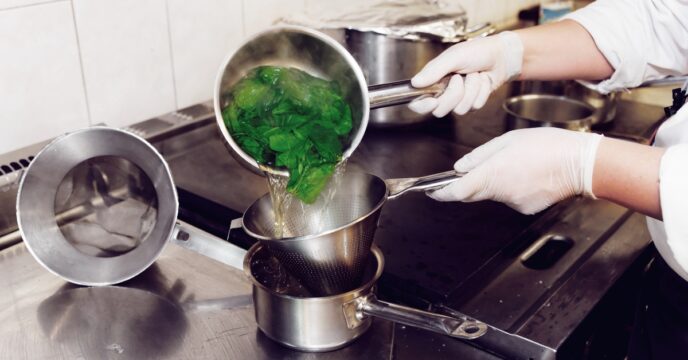
Vegetables that tempt you with their color alone? So crisp that you’ll leave chips on the shelf from now on (well, almost..) Blanching is the trick! The technique: boil them briefly and then place them in cold water to stop the cooking process and prevent them from overcooking. It brings out the freshest color in the vegetables while preserving their flavor and crunchy texture. Here we’ll tell you step by step how to blanch like a pro.
Cooking Technique 8: How to Cook Rice
This falls into more or less the same category as cooking pasta. I’m amazed every time that something so simple so often goes wrong. Probably the same way nerds feel when they see me struggling with a Rubik’s Cube. Anyway: most people swear by the one-finger-joint water method (in a pan over low heat), where you put rice in the pan and add water up to your first finger joint.
Cooking Rice: Several Methods
But there are several ways to make incredibly tasty cooked rice. The easiest way to cook rice? Buy a rice cooker and it will never go wrong again. And be sure to read the 8 mistakes people make when cooking rice…
Cooking Technique 9: How to Make Risotto
Ah, making risotto: the dish everyone wants to know how to make, but that leaves you regretting your decision after three minutes. Why is it so intimidating? Because risotto won’t leave you alone. It’s a needy dish. No multitasking, no quickly checking your messages or starting a load of laundry. No: you stand there, stirring, sweating, adding spoonful after spoonful of stock, while your pan looks at you as if to say, “Bet I’m going to burn?”
Making Risotto Step by Step
And then there’s that eternal question: when is it exactly right? Undercooked = crunchy between your teeth. Overcooked = baby food. Every bite feels like a small culinary judgment of your cooking skills. In short: making risotto feels like entering a cooking competition judged simultaneously by your grandmother, an Italian nonna, and Gordon Ramsay. But hey, once you’ve mastered it, it does feel like an absolute chef move. We’ll show you how to make risotto step by step so that everyone turns their chairs around. And our favorite risotto recipe right now? This lemon risotto!
Cooking Technique 10: How to Spatchcock a Chicken
Chicken what?? Spatchcocking a chicken sounds complicated, but literally means: cutting. And the result? Cooks faster, crispier skin, juicier meat. In other words: your ticket to chicken heaven. And yes, of course you want that. Because juicy chicken with crispy skin all over that cooks faster is also incredibly easy. You cut out the backbone, flatten the chicken, and you’re done. This way, the legs and breast cook at the same time, and you get perfectly crispy skin. Plus, the cooking time is shorter and it’s ideal for the barbecue. Bonus: you can make the tastiest sauce ever with the backbone. Easy peasy, huge impact. Need more explanation? Here we tell you more about spatchcocking a chicken.
Why You Really Need to Know These Cooking Techniques
Look, nobody says you need to know how to make a soufflé or be able to dissect a lobster alive. But these cooking techniques form the foundation. They’re the skills that ensure you don’t have to call for takeout every week or set your kitchen on fire with a pan of oil.
Besides, being able to cook well doesn’t necessarily mean cooking complicated food. It means putting something delicious on the table with simple ingredients, without stress, without missing fingertips, and without anyone saying, “Umm… what is this?”
How Do You Score?
So: how are you doing? Are you the Jamie Oliver of your friend group, or do you secretly identify with the egg-tapping-on-the-bowl camp? Which cooking techniques you should know can you already check off, and which ones are you still going to learn? And hey… feel free to share these tips with other over-forties who still cut their onions like potatoes.
Also read:


