



Perfect Wine Temperature
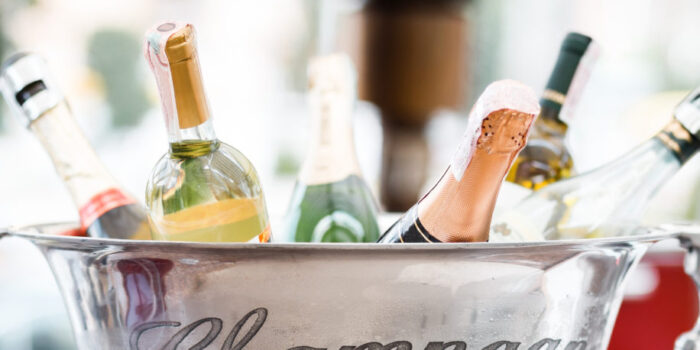
Wine and temperature: how exactly does that work? White wine should be chilled and red wine should be served at room temperature. So far so good. But what is room temperature, and how cool is chilled exactly?

The temperature of wine matters. Both aroma and flavor change considerably with a few degrees more or less. Even your favorite wine can suddenly taste completely different at another temperature. So it’s time for a little wine-temperature awareness.
Room temperature avant la thermostat
We often drink reds too warm and whites too cold. Red wines with lots of tannin, for example, are served at room temperature, because that’s how it’s supposed to be. But what exactly is the right ‘room temperature’? In the past—before the thermostat—allowing red wine to chambrer (chambre means room in French) meant letting cold cellar wine come up to room temperature. Without heating, that would reach no more than around 17 to 18 degrees. And that happens to be the very best temperature for such a red wine. Not the 20 degrees or higher found in today’s living rooms and restaurants. That makes wines seem heavier and more alcoholic than they actually are. What a shame.
TIP:
If your red wine is sitting in the wine rack in your room, put the bottle in the refrigerator for half an hour before serving. It’s better to serve it slightly too cold than too warm; in the glass, it will quickly gain another 4 degrees.
Cold refrigerator
We often store white wines in the refrigerator. A fine alternative if you don’t have a wine cellar or climate-controlled wine cabinet. The only problem is that the average refrigerator temperature is around 5 degrees. Much too cold for any wine: it dulls the aromas and makes the wine taste thin and flat. It won’t make an average wine any worse, but more interesting white wines lose their character.
TIP:
Take white wine out of the refrigerator in good time, so the contents can warm up by a few degrees. The wine will then taste less austere, fruitier, and smell better too. The same goes for rosé and lighter red wines, which you also—naturally—keep in the refrigerator.
The fastest Wine-Cooling Tips
Is your wine not at the right temperature, but are you in a hurry? Then cool a bottle super-fast in a container filled with half water, half ice cubes, and a generous spoonful of salt. Adding salt makes the cooling process extra quick. Allow 5 to 10 minutes for red wine, and at least twice as long for white and rosé. Also very effective: roll the bottle in a wet tea towel and place it in the freezer for a while. The wet cloth cools the wine even faster than usual (leave it in for less or more time depending on the color of the wine). Needless to say, ice cubes in wine are of course out of the question with good wine. They make it too cold, too watery, and therefore tasteless.
The perfect temperature
But which wine should you serve at which temperature? Rule of thumb: aim for around 16 degrees for red, 12 for white and rosé, and a few degrees lower for sparkling and sweet wines. For anyone who wants perfect temperature control, the wine overview below is a good starting point.
RED
17 °C. – full-bodied and robust, with lots of tannin (e.g. Cabernet Sauvignon, Grenache, Sangiovese)
14 °C. – medium to light, with lots of fruit (e.g. Pinot Noir)
12 °C. – light, low in tannin (e.g. Gamay)
WHITE
12-13 °C. – rich & complex (e.g. oak-aged Chardonnay, Viognier, white Bordeaux blend)
10-11 °C. – light & fresh (e.g. Sauvignon Blanc, Verdejo, Albariño)
07-10 °C. – sweet (lower temperatures make it taste fresher)
SPARKLING
06-08 °C. – simple, easy-drinking (e.g. Prosecco)
10-12 °C. – complex (e.g. Blanc de blancs champagne)
ROSÉ
10-13 °C. – full-bodied, dry
06-08 °C. – sweeter (lower temperatures make it taste fresher)
APERITIF
14-15 °C. – port-style wines
10-12 °C. – sherry-style wines
Why do flavor and aromas actually change?
In general: the colder the wine, the fewer aromas you smell. With red wine, tannins become more astringent, and acids (in both white and red) become more noticeable.
On the other hand: the warmer the wine, the more alcoholic it seems. Alcohol evaporates faster and becomes sharper in your nose (just think of the prickling sensation in your nose when you smell cognac or whiskey). At the same time, because acidity seems less pronounced as the temperature rises, you experience ‘warmer’ wine as fuller and less astringent. Fresh and fruity becomes sultry and heavy.
Because one wine relies on its refreshing acidity while another relies on its distinctive aromas and sultry character, temperature can make the difference between delicious and unpleasant.
Read also:
- This really isn’t acceptable: reserving a table and then not showing up
- Dear hospitality thieves, stop stealing
- 8 ways to be short and work in hospitality


