



Guide: buying noodles
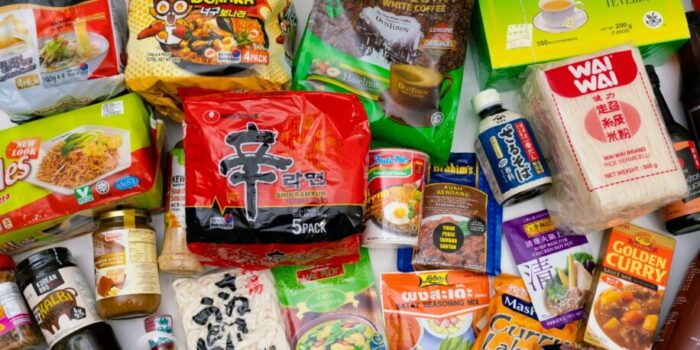
A good bowl of noodles can make you intensely happy, but not all noodles are created equal. Every dish calls for a specific noodle, one that’s ideal in terms of texture and absorbing the flavors of the sauce or soup. Slurping is, of course, a must.

The selection at the supermarket or Asian grocery store can make your head spin. With these tips, you’ll know exactly which bag to reach for when preparing your next meal.
Egg noodles
The most common variety in both supermarkets and Asian grocery stores, these are made from wheat and eggs. They’re often used in stir-fries such as Chinese lo mein (mein means wheat) and Indonesian bami goreng. They have a firm texture and a more pronounced flavor than rice noodles, but are neutral enough to absorb all the flavors of the sauce. Like in this fried pork noodle soup.
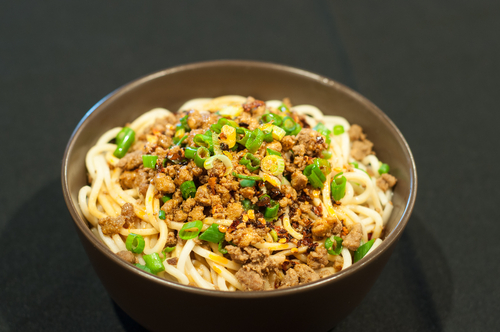
The editorial team’s favorite, dandan noodles, spicy Sichuan noodles with ground pork, are also made from egg noodles. The tastiest ones can be found at an Asian grocery store, so try a few to see which you prefer. Don’t feel like doing that? Our favorite is Sun Wave oil noodles.
Rice noodles
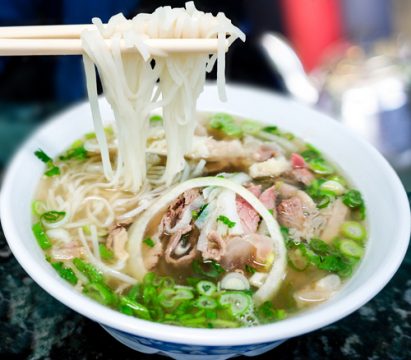
Flat
Flat rice noodles have a very slippery texture and are slightly softer than egg noodles. That soft texture makes them perfect for soups, such as Vietnamese pho. Thailand’s crowd favorite pad thai is also made with flat rice noodles. Like the round variety, they often need to be soaked in cold water for an hour before cooking. Read the packaging carefully to avoid hours of hunger.
Round
These are common in Vietnamese cuisine, where they’re called bun. One of our favorite dishes, bun cha, is made with these noodles. They have more texture and bite than flat noodles and are also widely eaten in China, for example in this spicy soup with braised beef.
Glass noodles
These are very thin, round noodles made from mung beans and are sometimes also sold as vermicelli noodles. They’re especially delicious as a filling in fried spring rolls or Vietnamese summer rolls. In soups or stir-fries, the thin strands don’t really hold up.
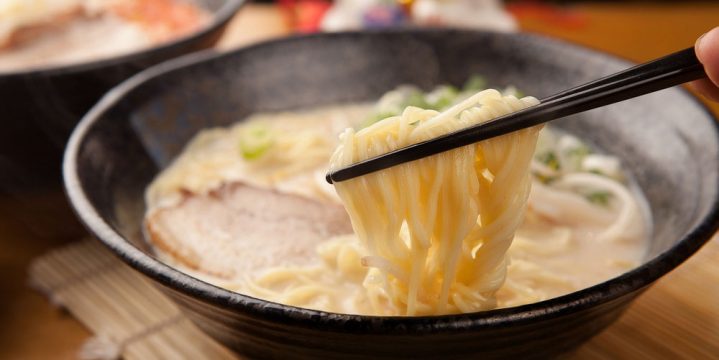
Ramen
And not those 30-cent instant ramen noodles. Ramen are also made from wheat and eggs, but are much firmer and chewier than the variety mentioned above. You eat them exclusively in a bowl of ramen, the rich Japanese noodle soup.
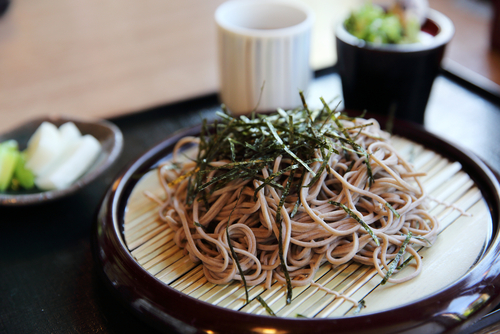
Soba
These are made from buckwheat flour, often combined with wheat flour. They have a fairly pronounced flavor and are therefore often eaten on their own in Japan. Traditionally, they’re eaten cold with an umami-packed dipping sauce, but they also feature often in soups. Or in this dish with chicken thigh and miso butter.
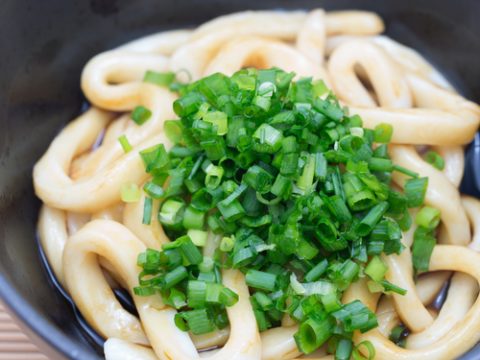
Udon
Thick Japanese noodles made from wheat and water. To give the noodles their characteristic firm texture, the makers often knead the dough with their feet. They’re often combined with delicate flavors, such as a broth with mirin and soy sauce.
In Japan, there are also entire udon bars where you can choose from various toppings, ranging from a soft-boiled egg (our favorite) to crispy tempura.
Also read:


