



All types of oil at a glance

With so many different types of oil in the supermarket, it can sometimes be difficult to know which one you need. Extra virgin olive oil or regular olive oil? And what about sunflower, coconut or peanut oil? We’ve listed them all for you.

All types of oil at a glance
The most important question when selecting an oil is what you’re going to use it for. Are you going to bake, fry, dress a salad with it or finish a dish on the plate? Here’s a little hint: you don’t cook steak in the best-quality (read: extra virgin) olive oil.
High smoke point
When baking, it’s important that the oil has a high smoke point. This is the temperature at which the oil starts to burn and gives your food an unpleasant taste. The higher the smoke point, the hotter you can let the pan get and the tastier—in most cases—your food will be. Not all oils are suitable for heating. Baking, roasting, stir-frying and deep-frying are best done with regular (cheap) olive oil, peanut oil, sunflower oil, corn oil or the slightly more expensive avocado oil. It’s better not to heat extra virgin olive oil too intensely.
Olive oil
Around 90% of the world’s olive production is used for olive oil. There’s the ‘regular’ cheaper olive oil and extra virgin olive oil, in other words, olive oil that is ‘extra virgin’. This is olive oil from the first pressing that has not been mixed with other oils or chemicals. Extra virgin oil has a low acidity, and the lower the acidity, the better the quality of the oil. By law, the acidity of extra virgin olive oil may not exceed 0.8%. The flavor can range from grassy to fresh or even bitter.
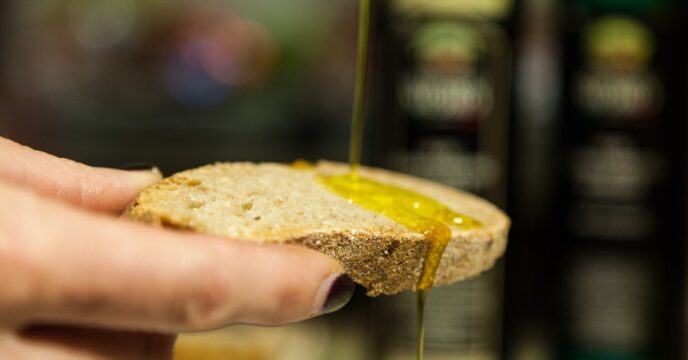
The extra virgin variety is best over salads, in your homemade pesto or to finish a dish. Delicious for dipping a piece of good bread into, but a real waste to heat. First of all, because extra virgin oil is simply expensive. It also has a low smoke point (160ºC), which can even make your food less tasty. It’s delicious as the base for a vinaigrette, or drizzle a few drops over your grilled vegetables, fresh pineapple (delicious!) or a beautifully roasted piece of meat.
Olive oil tips & tricks
Light, air and time are olive oil’s biggest enemies. That’s why good olive oil always comes in a dark bottle. Always keep your bottle of olive oil in a dark place too. The fresher your olive oil, the better, so the sooner you consume it, the better. Buy small bottles and finish them.
Sunflower oil
My go-to for almost everything I fry—if I’m not using butter—is sunflower oil. With a smoke point of 232ºC, it can handle almost anything. From a beautiful piece of salmon to a blazing hot wok in which you cook a meal in five minutes. It’s also perfect for homemade sweet potato fries. Neutral in flavor, which means it goes with everything.
Peanut oil
Peanut oil is pressed from peanuts. Similar to sunflower oil, it also has a high smoke point, but with a lightly nutty flavor. It’s widely used in Asian cuisine and for deep-frying (these cheese sticks, for example).
Vegetable oil
That’s what all the oils in this list essentially are. American recipes often call for ‘vegetable oil’. In the States, there’s a special blend of different types that are neutral in flavor and high in smoke point. When I see this in a recipe, I almost always go for sunflower oil or peanut oil.
Coconut oil
Its smoke point is not much higher than that of extra virgin olive oil. Yet it’s widely used for frying. As long as you don’t turn the heat up too high, that’s perfectly fine. It’s solid at room temperature, which makes it less than ideal for vinaigrettes. It is, however, great for making lactose-free baked goods, such as this vegan coconut cake.
Rice, grapeseed and corn oil
Not the best-known oils among home cooks, but grapeseed and corn oil in particular are widely used in professional kitchens because they’re fairly cheap. They all also have a high smoke point and neutral flavor, making them great for deep-frying and stir-frying. You can also use them—possibly combined with olive oil—to whip up delicious mayonnaise. Like in this tasty dish of tomato, shrimp and homemade mayo.
Avocado oil
Growing in popularity and versatile. Its flavor is nutty and buttery, making it perfect for salads. It also has the highest smoke point of all the oils mentioned here, so baking, grilling, stir-frying, roasting and barbecuing with avocado oil is no problem at all.
Toasted sesame oil
Widely used in Asian cuisine and almost never heated. It has a very strong, nutty flavor and is therefore mainly used to season dishes or sauces. If you heat it, the flavor disappears—and that would be a shame.
Nut oil
In principle, you can press oil from all kinds of nuts and seeds, such as walnuts, pistachios or almonds. They all have a low smoke point, so heating is out of the question, but oh, the flavor they add. Perfect for giving vinaigrettes a fancy flavor. The flavor is very strong, so use it together with a more neutral oil for the perfect balance.


