


7 dishes you’d better not even attempt
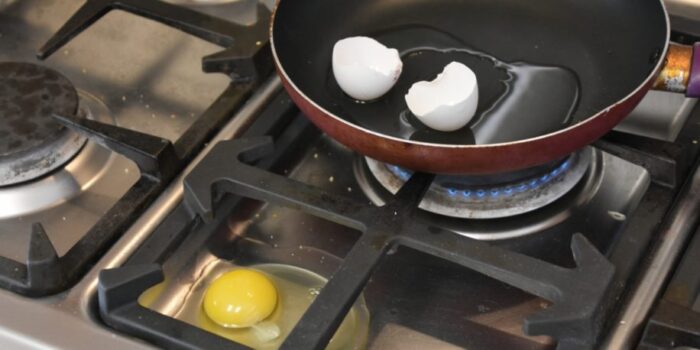
Even top chefs and passionate home cooks have to admit defeat when it comes to certain dishes: they’re just too difficult. What are the seven dishes you’d be better off leaving to the pros?

Fugu
Pufferfish, a Japanese delicacy, is eaten raw. Every year in Japan, around twenty people have sashimi of fugu as their last meal. The reason: if you touch the liver with the tip of your knife while filleting this little fish, the fish is poisonous. Deadly poisonous, to be clear. That’s why Japanese chefs have to complete training lasting four to six years before they’re even allowed to point at a fugu fish. Don’t try this at home. The good news: special fugu fish without poison are also farmed.
Omelet
Simple, an omelet? There’s a reason why top chefs such as the late Anthony Bourdain asked cooks at job interviews to make them an omelet. All those impressive diplomas and glowing recommendations can hide what a couple of beaten eggs and a frying pan reveal: suitable or unsuitable? The perfect French omelet is barely browned, folded double in the pan into a kind of flap, firm on the outside but soft and creamy inside, with just enough salt and pepper.
Croquembouche
An impressive tower of cream puffs with caramel and spun sugar. What makes it so difficult? It starts with the puffs, which have to turn out perfectly. Then they’re filled with crème suisse, an airy mixture of whipped cream and pastry cream. As everyone who has ever watched Heel Holland Bakt knows, you can only fill the puffs once they have cooled completely; otherwise the filling turns into a snotty mess that you try to push into the puffs with a piping bag while crying. Then melt sugar, dip the filled puffs into the caramel for a beautiful glossy appearance and a crisp caramel crust – mind your fingers – and then stack them around a cone that, from a distance, looks a bit like one of those orange traffic things. Too much melted sugar and the puffs stick to the cone, after which they’re impossible to remove without swearing and bringing the whole thing down; too little sugar and the puffs don’t stick together, creating an even greater risk of collapse. Make spun sugar from melted sugar at the perfect temperature so it doesn’t discolor but does form threads. Do this with a fork or a special whisk, which will inevitably ensure that the sugar sticks to your eyebrows and extractor hood, and spin the sugar threads around the tower of puffs. Carefully remove the cone and serve quickly, because puffs and spun sugar don’t like moisture, light or a long wait. In short: mission impossible.
Paella
There isn’t a Spanish restaurant or tapas bar that doesn’t have it on the menu – in Valencia you eat the most delicious paella – and yet paella is a tricky dish. The ingredients rice, vegetables, fish and meat all go into the same pan, but each needs a different amount of time to cook, so cooks have to know exactly what to add and when. The rice may stick to the thin bottom of the special paella pan but must not burn, and the fish, shrimp and squid must of course never be overcooked. Many are called, but few are chosen to make the perfect paella . Still want to try? Lidl sells a paella kit including a pan so you can make paella yourself. Good luck.
Haleem
A stew from India, popular in the Middle East. More or less every country has its own version—what am I saying: every family probably has its own preference. The basics are lentils, grains, rice and other pulses, which must be stirred for hours in a large pan with lamb, chicken or beef until perfectly cooked. Top with caramelized onion, ginger, chilies or parsley and then: serve it to extremely critical tasters.
Croissant
Easy: peel the paper wrapper off the can, tap it against the edge of the counter and roll away. Or is there more to it? Real croissants, made with homemade laminated dough, are a true art. That’s why most bakers sell supermarket croissants. Still want to make them yourself? Start at the beginning: the dough. A rich laminated dough, with egg and butter, which means folding, rolling out and resting—several times. That creates the layers. Then proofing and rolling up. Many croissants in France are straight, but a real croissant should be crescent-shaped. And then baking… A good croissant is tender inside, has a deliciously crisp exterior and is above all… delicious. Once you’ve mastered the croissant, take it to the next level with pain au chocolat, made from the same dough, rolled differently and filled with a strip of dark chocolate. Failed? At these places you can eat the best croissants in Amsterdam, from sourdough and whole-wheat to classic French.
Beef Wellington
Gordon Ramsay’s signature dish. Difficult? Pretty much everything can go wrong with this dish. The meat in beef Wellington must reach the perfect cuisson: beautifully rosy-red, not raw and definitely not pale pinkish-gray, because then it’s overcooked and tough. The farce surrounding the meat must be flavorful, juicy and spicy—not too dry, but certainly not too wet either. And then there’s the puff pastry. How do you make sure the bottom of the pastry doesn’t become a soggy mess? Once the Wellington comes neatly out of the oven, cut it into beautiful slices with a razor-sharp knife—a knife that’s too blunt and the Beef Wellington will look like a train wreck. Somewhere halfway through this culinary challenge, you’re guaranteed to start longing for meatballs from the gravy pan. Tip: practice first with a Frikandellington. No joke, incredibly delicious and a lot easier.
Also read:
- An omelet without eggs? Here’s how
- No stress: cooking for a large group
- 4 rice fails and how to fix them


