



Ketchup, mustard, mayo: how to store them best
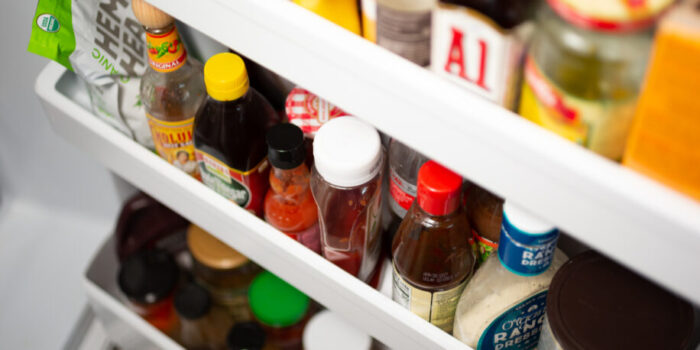
In English, there’s such a good word for them: condiments. Simply the collective term for sauces that aren’t béarnaise or hollandaise sauce but just wonderfully simple spreads like ketchup, mayonnaise, mustard, etc. Those jars and bottles that are used almost daily, but most people don’t know exactly how and where to store…

Because the fact that they have a use-by date is usually clear enough. And it’s also generally clear when the packaging says where you should store them. But whether you can be a little flexible about that is a matter of debate. (Incidentally, we’re talking here about the varieties you buy in the store, because homemade versions have a much shorter shelf life and almost always need to be refrigerated.) Argyris Magoulas of the American Food and Drug Administration (and Americans really are among the biggest consumers of the aforementioned condiments) explains how and where to best store the following spreads and flavorings:
Mustard
You can generally keep an opened jar of mustard in the fridge for up to a year. But we think you’ll get through it much faster if you regularly make yourself a delicious hot dog, or of course spoon a generous dollop onto your plate next to the best stamppot. And you can keep an opened jar at room temperature in a kitchen cupboard for around two months (away from direct sunlight, though).
Mayonnaise
Homemade mayonnaise should be used within one to two weeks (not a problem, as far as we’re concerned), but you can keep an opened jar from the supermarket for up to two months. Although that jar probably won’t make it that long if you regularly have a fries feast at your place. Or if, like us, you’re happy to help save the iconic oeufs mayonnaise starter…
Ketchup
Long-lasting thanks to its high sugar content. (Yes guys, even though it’s made from tomatoes, ketchup unfortunately isn’t particularly good for you. Don’t count it towards your recommended daily amount of vegetables…) You can keep an opened bottle refrigerated for up to six months. If you’re part of the ‘I put ketchup on my ketchup’ movement and get through a bottle in a month at most, you can also keep it at room temperature.
Soy sauce
Soy sauce won’t spoil quickly if you don’t refrigerate the bottle after opening. But to preserve its flavor and quality (so not necessarily to prevent spoilage), various producers recommend keeping the opened bottle in the fridge after all.
Barbecue sauce or HP Sauce
HP Sauce: that iconic bottle with the light-blue label that almost everyone forgets to use… And that’s a shame, because it’s incredibly delicious on a sandwich with thick slices of perfectly cooked bacon—my mouth is watering just thinking about it. But yes, I’ll probably first have to get around to my biennial replacement of the bottle. Because after about four months, this distinctive condiment, which delivers a sweetish umami kick, is past its best. Barbecue sauce is often even sweeter and redder. It also contains a lot of sugar, so it keeps for a long time, but the flavor does deteriorate after a few months in the fridge.
Vinegar
With vinegar, at least you have a keeper in the house. It doesn’t need to be refrigerated, and whether unopened or opened, it generally keeps for a year or two.
Worcestershire sauce
The hardest to pronounce of them all, and often a little underappreciated. A few drops give tomato soup (and your pimped-up Bloody Mary) as well as chili con carne or slowly cooked pulled pork a huge boost. And those few drops may be exactly the problem, because a bottle won’t run out quickly in an average household. But just like vinegar, you can keep it for a long time—often up to two years—and it doesn’t need to be refrigerated.
Read also:
- Heinz launches ketchup ice cream—is the world going crazy?
- How to: get more out of your jar of mayo
- The best partner for your bitterballen: homemade mustard!
Source: Martha Stewart


