


Vegan pesto can be delicious, especially with these tips
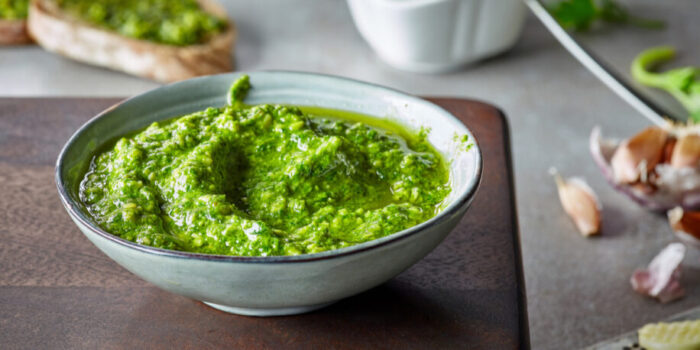
Pesto, real, classic, homemade pesto genovese, is virtually impossible to beat, right? It’s not for nothing that star chef Massimo Bottura sent an online pesto tutorial out into the world during the last pandemic, because he understood that collectively, we wanted to forget the misery and boredom by simply falling face-first into a plate of pasta with our heads and waiting there until everything was a little more normal again. And if that pasta was pesto pasta, all the better!

And the foundation of classic pesto genovese is, of course, a perfect balance: the distinctive flavor of basil, the buttery quality of Italian pine nuts, the sharpness of garlic, a little fresh kick from lemon, the softness or, instead, the pepperiness of your favorite olive oil, and the salty, rich umami of Parmesan cheese.
Incomplete green mush?
Leave one of those things out and your entire flavor spectrum essentially collapses like a house of cards. Still tasty, of course, but no longer worthy of being called pesto. But what if, for whatever reason, you want to leave out the Parmesan cheese? Are you doomed to eat incomplete green mush forever? Of course not!
Because naturally, the point is to replace that umami component. And a plant-based alternative works perfectly well. You’ll end up with slightly different pesto, but hey, you probably already accept that. So, if you feel like experimenting with a plant-based replacement for the cheese without immediately reaching for plant-based cheese, check out these alternatives:
Roasted mushrooms
Slice a container of mushrooms into evenly thick slices so they cook evenly, toss them on a baking sheet with oil, pepper and salt, and roast them in an oven preheated to 200° C. Toss them after ten minutes and keep an eye on them after twenty minutes; you want some dark edges to appear. The flavor is now concentrated and earthy. Put all the other basic pesto ingredients in a food processor or mortar and add a tablespoon of the mushrooms at a time, then taste and add more if desired. Simply spoon the rest onto a slice of toast and eat it.
Miso
Miso (a fermented soybean-based paste) is also known as an umami bomb and can work very well as a plant-based substitute for Parmesan cheese. But where you might normally also add salt to your pesto, in this case you should really wait and taste after mixing the miso into the pesto—it may already be salty enough.
Soaked cashews
If you’re in the mood for truly ‘creamy’ pesto, you can leave out both the cheese and pine nuts and replace these two ingredients with soaked cashews. Soak a handful of cashews in water overnight, drain, and blend with the other ingredients. Note: a little extra salt and lemon would be welcome for more punch now.
Seaweed
You can also recreate the salty notes Parmesan adds by using nori (sushi) sheets. This will give you a truly ‘sea-like’ flavor, but that can be incredibly delicious! Make sure you snip the sheets into small pieces before mixing them with the other ingredients, or soak them, finely chopped, in a little lemon juice first. This prevents a papery effect in your pesto.
Nutritional yeast flakes
Some people find the unique flavor of nutritional yeast flakes a little too intense. Fans, on the other hand, sprinkle this salty stuff on popcorn, pasta, toast with mushrooms… It may take some getting used to, but then you might become addicted too! In any case, of all the alternatives mentioned here, it tastes the most like cheese, making it a very good substitute if you want to make your pesto completely plant-based.
So, never panic again when vegan guests come over for dinner, because you can put an amazing plant-based pasta on the table in no time!
Also read:
- Invest a few euros and pour olive oil like a pro
- Upgrade your pesto with these three variations
- 7 handy kitchen hacks that will make your life easier
Source: Epicurious


