



These are the 8 most important food trends of 2024

Yesterday I attended Unilever Foods Solutions’ (UFS) ‘Future Menus’ conference, where the top global trends of 2024 were discussed. It was an incredibly fun and educational day, during which the 8 most important food trends of 2024 were brought to life through various dishes. Want to know what you can expect on your plate? Then be sure to read on.

We previously wrote about the food trends of 2024. There, we focused mainly on specific ingredients. The substantial Future Menus Trends Report 2024 describes the global trends, such as the growing demand for unexpected flavour combinations (‘Flavour Shock’) and using ingredients in such a way that food waste in the kitchen is minimised as much as possible (‘Low-Waste Menus’). Let’s take a deeper dive.
The most important food trends of 2024
1. Flavour Shock
Also known as ‘chaos cooking’. This trend emerged at the end of 2022, but is now making an unstoppable global advance. Forget fusion cooking, in which different cuisines are combined. With chaos cooking, all rules are thrown out to create new and explosive flavour combinations—in short, Flavour Shocks. From (homemade) ramen carbonara and roti roll spring rolls to fried rice with mustard greens and olives and Parmesan polenta with cavolo nero, egg and crispy chilli oil; throw all the rules overboard and let yourself go!
2. Low-Waste Menus
The waste bin can go on the rubbish heap. Because throwing away food while people around the world are dying of hunger? Noooooo! If you cook smartly, you can preserve food for much longer than you think. The freezer is my best friend. Overripe tomatoes? You can’t freeze them straight away, but you can make a delicious tomato sauce that you can freeze. Nose-to-tail cooking is no longer reserved for frikandellen and rural cuisine; with a little creativity and a lot of goodwill, you can do so much more with meat, fish, poultry and vegetables.
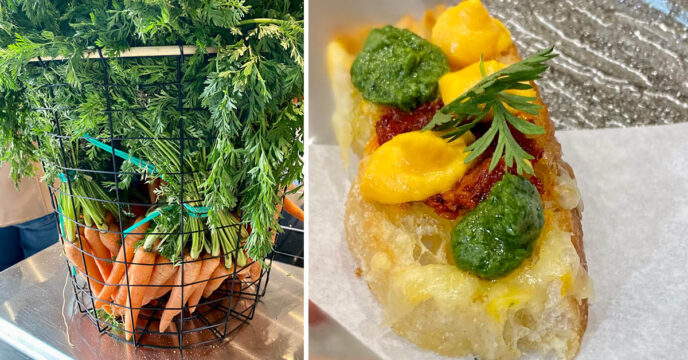
You’ve known for a while, of course, that your pasta water is worth its weight in gold. But why throw away broccoli stems when you can make so many delicious things with them? Or the greens from your winter carrots? Turn them into pesto—absolutely delicious! There are also many fruit and vegetable peels that you shouldn’t throw away (anymore); aside from their benefits, they’re perfectly useful. Even your used tea bag, mandarin net and garlic net can still be put to good use! In fine-dining restaurants, fermentation has long been accepted as a cooking technique for adding depth, umami and acidity to dishes. More and more fermented dishes are also appearing at casual establishments. Restaurants where you’re served too much food—that really isn’t acceptable anymore. Low-Waste Menus are the trend: sustainable, cost-efficient and creative cooking. Who could be against that?
3. Plant Powered Protein
Protein (or proteïne) is an important nutrient and building block, and is found in animals and plants. Animal proteins are mainly found in meat, fish, milk, cheese and eggs. The government is increasingly pushing to minimise livestock numbers. You can already see this reflected in supermarkets. Supermarket chain Jumbo, for example, wants 60% of the proteins it sells to be plant-based and 40% to come from animal ingredients by 2030 (the reason Jumbo is stopping meat promotions). In restaurants too, we are increasingly seeing plant-based proteins such as legumes, quinoa, tofu and tempeh incorporated into the most varied dishes.
4. Local Abundance
In other words: eat and shop locally! More and more people want to know exactly where their food comes from, and more and more people are willing to pay more for dishes made with local ingredients. Why source food from far away when you can find it close by? The use of local ingredients is growing, from sourcing within a small radius of a certain number of kilometres to using ingredients from your own (urban) garden. Unfortunately, local isn’t always better, but why on earth would we want to eat certain vegetables and fruit all year round outside their growing season? Eat plenty of pumpkin dishes when there is an abundance of pumpkin in season, and with this trick you can eat asparagus from Dutch soil almost all year round. And one more tip: help farmers get rid of their surplus.
Why on earth do we have all those types of cheese on the shelves?

5. Modernised Comfort Food
Classics with a twist, but with the same common denominator: comfort food at its best. From Taiwanese ragù to salt&vinegar potato soup and chicken raclette casserole. It’s no surprise that a culinary hero like Ottolenghi is releasing a Comfort cookbook this year. As the name suggests, this new book is all about comfort food, but with an Ottolenghi touch. With Comfort, Ottolenghi wants to reinvent classic dishes. So no standard pizzas, pastas and casseroles; instead, food that makes you happy, with surprising combinations.
6. The New Sharing
A table full of friends and family, large bowls of food, and then sharing everything with one another. I think that’s about the most enjoyable thing there is. It also has little to do with the shared-dining concept in restaurants, where you often feel like you’ve paid a lot but barely eaten anything. No, the new shared dining is about soul food and being together. The quintessential soul-food dish seafood boil brings people together around the table just as much as a Dutch fries table and an American dump dinner. A butter board is also a tasty conversation starter. And going out to eat and drink is even more enjoyable in our view when you let people who are less fortunate share in it. New shared dining at its finest!
7. Irresistible Vegetables
Despite reports that veganism is declining, Gen Z (born between 1997 and 2012) is more interested in vegetarian, vegan and conscious eating than any other generation. This is also the generation known for spending significant amounts on eating out (whether in restaurants or through takeaway/delivery). Often based on content on social media, such as Instagram and TikTok. Many chefs see this trend as an opportunity to treat vegetables creatively and surprisingly in order to attract this generation. Flavourful vegetarian and vegan dishes are increasingly appearing on menus at fine-dining restaurants, mainstream concepts and major chains.
8. Feel-Good Food
Colourful, packed with good nutrients and incredibly tasty; make Turkish scrambled eggs with feta and you’ll immediately understand what Feel-Good Food is. Food that makes you happy and is good for you too. The same goes for warm feta with roasted vegetables and pecans. Delicious, surprising and simple—I already feel better just thinking about it! Want to apply this trend at home tomorrow? Then make this super breakfast of savoury lentil pancakes with spinach pesto.
The UFS Future Menus Trends Report 2024 was compiled based on global data and extensive input from chefs, including social media analyses based on 77,000 keywords representing 69 million searches in more than 21 countries, perspectives from 250 professional UFS chefs and extensive feedback from more than 1,600 chefs in 21 markets worldwide via UFS e-panels.


